

洞察力
获取最新资讯、专家分析及市场展望,抢先洞察行业动态。
新闻中心
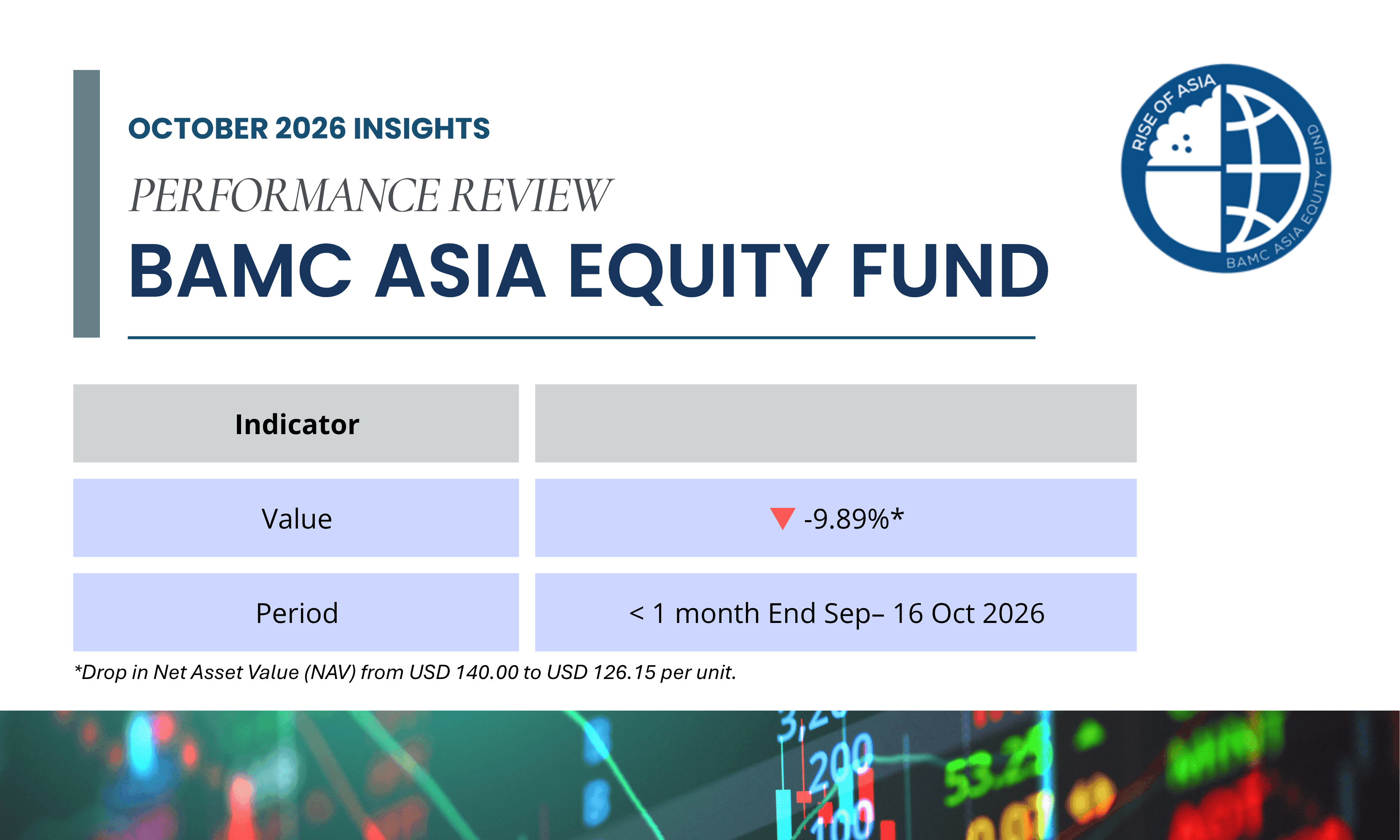
BAMC Asia Equity Fund (BAEF) Performance as of 16 October 2026
Markets in October Since end September, global equities have faced pressure from higher borrowing costs and growing scrutiny of the returns from AI related spending. Stronger than expected US inflation reinforced expectations of further Federal Reserve tightening, weighing particularly on technology and semiconductor valuations. Elevated oil prices added further pressure on inflation concerns. Overall, technology-heavy Asian markets bore a greater share of the selling in October’s global tech weakness. Our exposure to Asian equities reflects our focus on the region’s long-term growth opportunities. Short-term volatility is an inherent risk of this approach, but our investment decisions remain anchored in companies’ fundamentals and their potential to generate sustainable returns over time. Portfolio underperformance Against this backdrop, BAEF’s main drag was its concentration in Korean and Taiwanese equities and semiconductor related holdings, which together accounted for 32.3% of the portfolio and approximately 4% of the calculated drag. The Korea ETF and Samsung alone contributed roughly 2%. Korea was particularly affected by the unwinding of AI-related positions. On 15 October, its benchmark equity index fell approximately 8%. Samsung’s weakness came despite guidance for a substantial increase in third-quarter operating profit, suggesting that concerns over valuations, financing conditions and competition outweighed the near-term earnings improvement. The drop was compounded by sharp falls in several Singapore small caps and financials. Addvalue fell 22.9%, UOB Kay-Hian 25.2%, OCBC 10.3%. OCBC faced a specific catalyst when Citi downgraded the stock from “neutral” to “sell”, citing risks to third-quarter earnings, pressure on net interest margins from higher deposit costs, and the potential normalisation of exceptionally strong first-half wealth-related income. Addvalue’s share price weakness is due to profit-taking after a strong run. Singapore’s semiconductor-related suppliers to chipmakers fell harder than the larger chipmakers; Frencken fell 14.9%, UMS 14.8% and AEM 9.9%. Together, these holdings constituted approximately 14% of the portfolio and implied another 2.3% of drag. Like the global technology sell-off, broader concerns over the AI investment cycle were weighing on sentiment beyond individual companies’ reported performance. There were few meaningful offsets in the portfolio as gains elsewhere were insufficient to counter the losses. Why we still hold these stocks Despite the recent weakness, we retain these holdings because the underlying earnings drivers remain relevant to our investment horizon. The sell-off has weakened share prices more than the underlying medium- to long-term investment case. In semiconductors, the correction has coincided with continued growth in demand for AI compute. TSMC’s latest results and guidance pointed to sustained demand for advanced chips, while Samsung’s earnings guidance reflected stronger memory sales and pricing. These developments support maintaining exposure to the sector, although we recognise that strong operating performance does not eliminate valuation risk or the possibility of further share price volatility. Our Singapore semiconductor holdings provide exposure to different parts of this investment cycle. UMS benefits from equipment demand and increasing exposure to advanced packaging, AEM offers participation in increasingly complex semiconductor testing, and Frencken provides a more diversified manufacturing exposure. The rationale for retaining these positions rests on their prospective earnings as customers invest in additional capacity and advanced chip architectures, rather than an expectation that all semiconductor-related stocks will recover together. For the financial holdings, recent operating results provide a basis for distinguishing share price weakness from deterioration in the businesses. OCBC’s wealth-management and other non-interest income have helped offset pressure on lending margins, while its capital position continues to support business growth and distributions. UOB Kay Hian reported substantially higher first-half earnings, supported by stronger trading activity, commission income and interest income. We retain exposure to these earnings streams, while recognising that wealth related revenue and brokerage activity are market sensitive and that recent growth rates may not persist. We retain exposure to Addvalue to the long-term growth in satellite connectivity and space infrastructure. Recent share-price weakness appears to reflect, in part, profit-taking following a strong rally, while continued orders support the underlying growth outlook. In september, Addvalue announced US$15 million of new orders across its space connectivity and advanced digital radio business, bringing its order book to US$20.2 million. Converting these orders into earnings and cash flow remains central to our investment case. Overall, we remain selective and view the decline as a potential opportunity to top up positions rather as a reason to hold every position unchanged. Continued ownership must be supported by company fundamentals, an acceptable valuation, and grounded in earnings growth. Moving forward Looking ahead, we intend to increase exposure to quality large-cap and blue-chip companies to strengthen portfolio resilience amid continued volatility. We will prioritise businesses with sound balance sheets, sustainable earnings and cash flows, and durable competitive advantages. Further market weakness could provide opportunities to build positions at more attractive entry prices, while maintaining a disciplined approach to valuation. Disclaimer : This Document is issued for information and investor awareness purposes only to explain the factors contributing to the changes in BAEF’s NAV. It does not constitute investment advice, an investment recommendation, an offer, or a solicitation to buy, sell, or hold units of BAEF. The information provided herein should not be relied upon as the sole basis for any investment decision and does not guarantee future performance. Investors should refer to the Fund’s official offering documents and disclosures and carefully assess their own investment objectives and risk tolerance before making any investment decision.
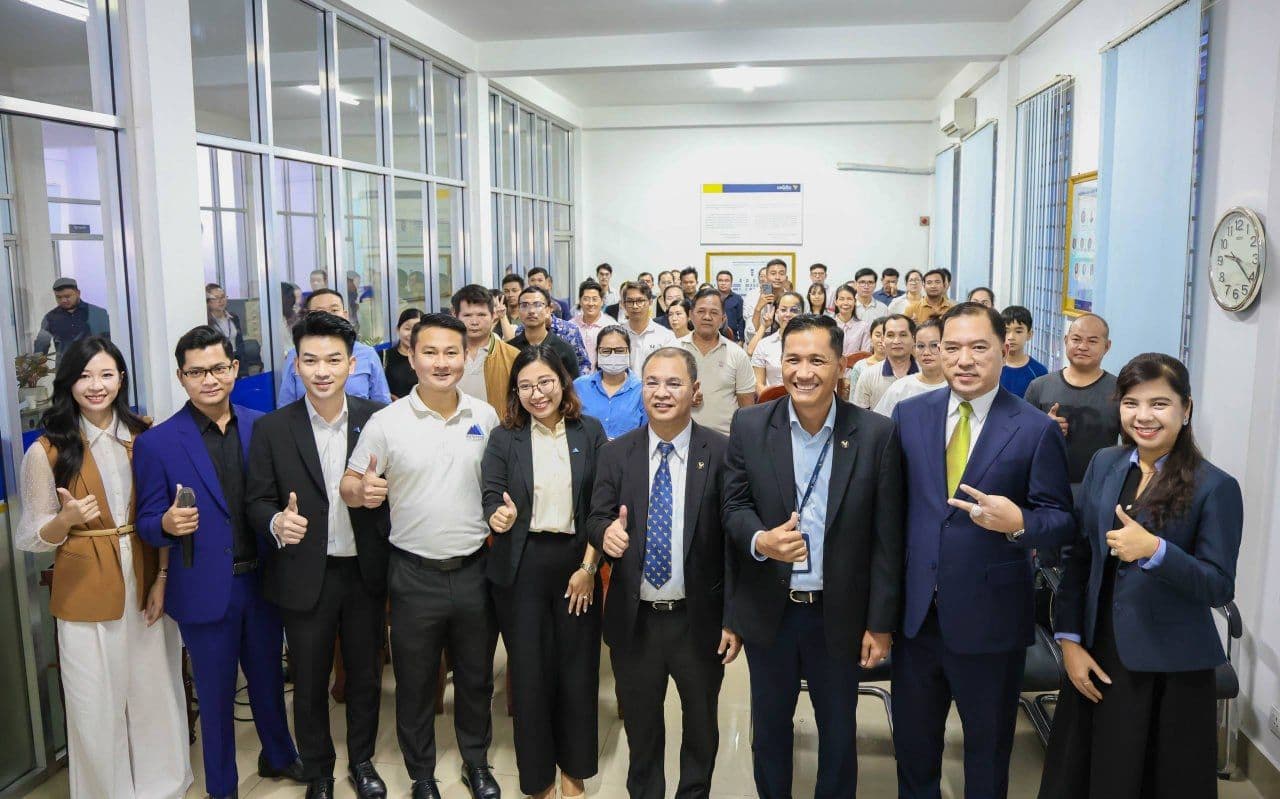
Banjaran AMC Brings BAEF Investment Opportunities to Investors in Phnom Penh Through 3rd Round Roadshow
Banjaran Asset Management (Cambodia) Plc. in collaboration with ACLEDA Securities Plc. and ACLEDA Bank Plc. Local Branch, (Khan Mean Chey, Sangkat Boeng Tumpun 01), successfully hosted the Workshop on “Golden Securities Investment by Opportunities” as part of the 3rd Round Roadshow. The workshop was held at the meeting hall of ACLEDA Bank Plc. Local Branch, (Khan Mean Chey, Sangkat Boeng Tumpun 01) on the morning of 05 September 2026. The workshop aimed to enhance public understanding of capital market investments and the BAMC Asia Equity Fund (BAEF), a Collective Investment Scheme (CIS). We sincerely appreciate the support of our partners and the active participation of all attendees. Special thanks to Mr. Sok Chantola, Deputy Sales & Marketing Manager of Banjaran Asset Management (Cambodia) Plc. on the topic “BAMC Asia Equity Fund (BAEF)”. We look forward to welcoming you to our upcoming events. #BanjaranAMC #BAEF #CIS #Investment #Strategic #Financial
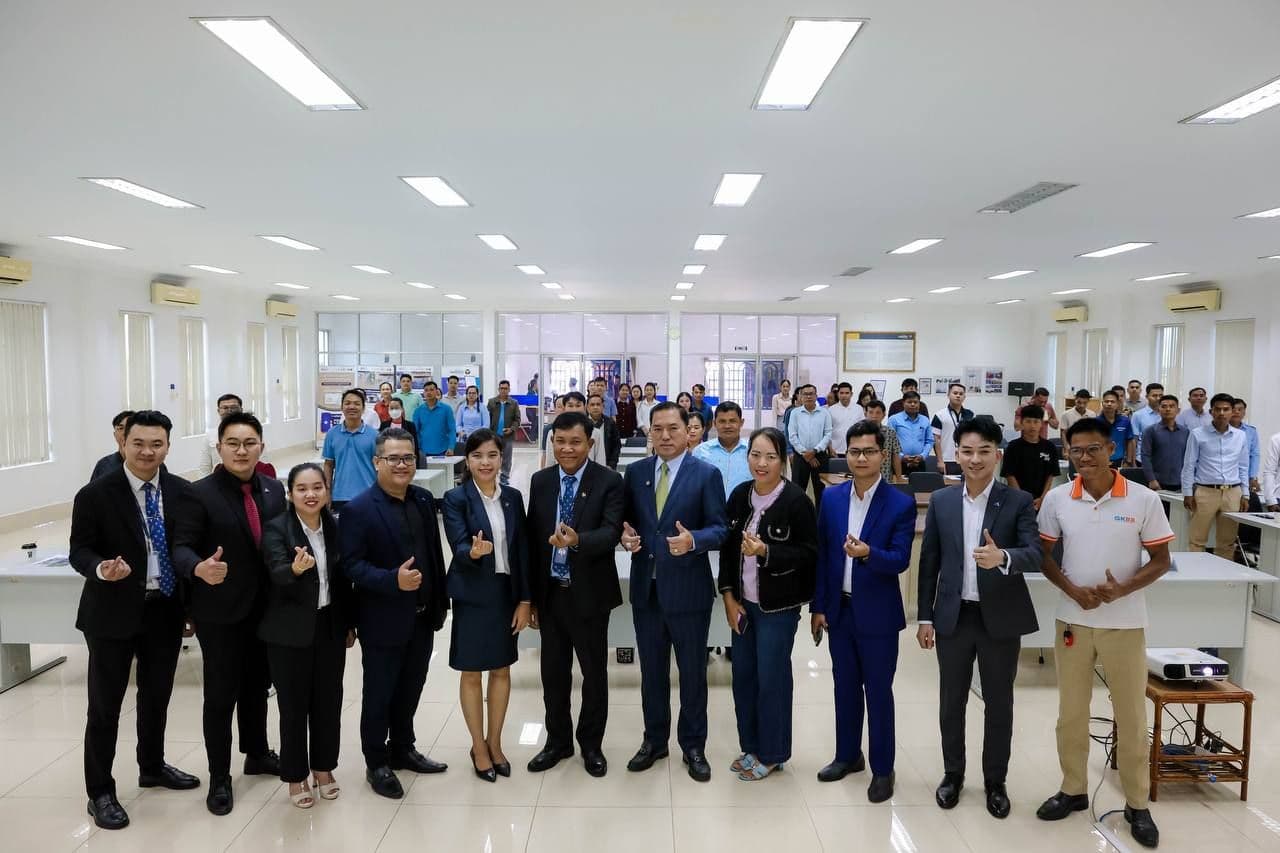
Banjaran AMC Expands Securities Investment Awareness Through 3rd Round Roadshow in Svay Rieng
Banjaran Asset Management (Cambodia) Plc., in collaboration with ACLEDA Securities Plc., and ACLEDA Bank Plc. Local Branch (Svay Rieng Province), successfully hosted the Workshop on “Golden Securities Investment by Opportunities” as part of the 3rd Round Roadshow. The workshop was held at the meeting hall of ACLEDA Bank Plc. Local Branch (Svay Rieng Province) on the morning of 22 August 2026. The workshop aimed to enhance public understanding of capital market investments and the BAMC Asia Equity Fund (BAEF), a Collective Investment Scheme (CIS). We sincerely appreciate the support of our partners and the active participation of all attendees. Special thanks to Mr. Taing Hoy, Legal and Compliance Officer of Banjaran Asset Management (Cambodia) Plc., on the topic “Investment Value and Benefits of the BAMC Asia Equity Fund (BAEF)”. We look forward to welcoming you to our upcoming events. #BanjaranAMC #BAEF #CIS #Investment #Strategic #Financial
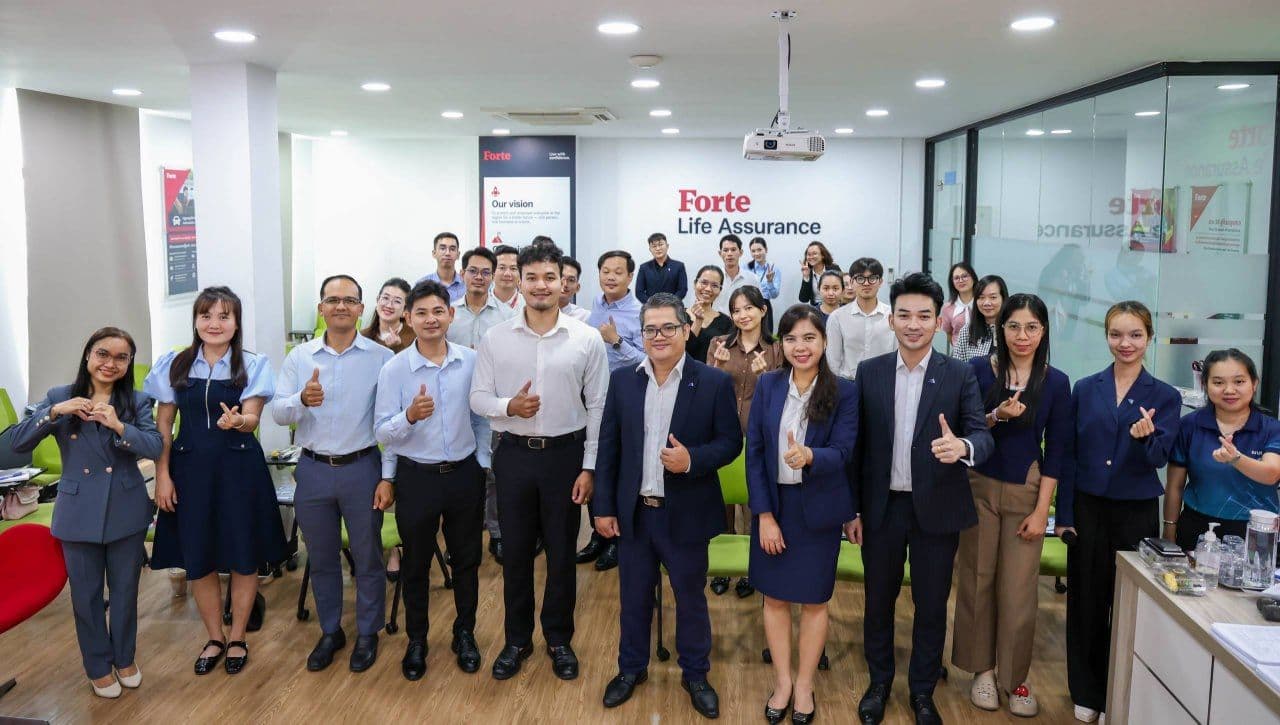
Banjaran AMC Strengthens Strategic Partnership with Forte Through BAEF Investment Workshop
Banjaran Asset Management (Cambodia) Plc., in collaboration with ACLEDA Securities Plc., successfully organized a workshop on “Golden Investment Opportunities in Securities Sector” for the Management team and staff of Forte General Insurance Plc., and Forte Life Assurance Plc., on 19 August 2026 at Forte Office, One Park Tower. The workshop provided participants with valuable insights into the BAMC Asia Equity Fund (BAEF), including its key features, investment strategy, and the opportunities available through investing in a professionally managed fund licensed by the Securities and Exchange Regulator of Cambodia (SERC). During the session, Mr. Sok Chantola, Deputy Sales & Marketing Manager of Banjaran Asset Management (Cambodia) Plc., delivered a presentation on “Investment Value and Benefits of the BAMC Asia Equity Fund (BAEF)”, sharing knowledge on investment opportunities and the benefits of BAEF as part of Cambodia’s growing securities sector. This workshop marks another important milestone under the Strategic Partnership between Banjaran Asset Management (Cambodia) Plc., ACLEDA Securities Plc., Forte General Insurance Plc., and Forte Life Assurance Plc., with the aim of enhancing investment awareness, strengthening collaboration, and creating opportunities for future business growth. #BanjaranAMC #BAEF #CIS #Investment #Strategic #Financial
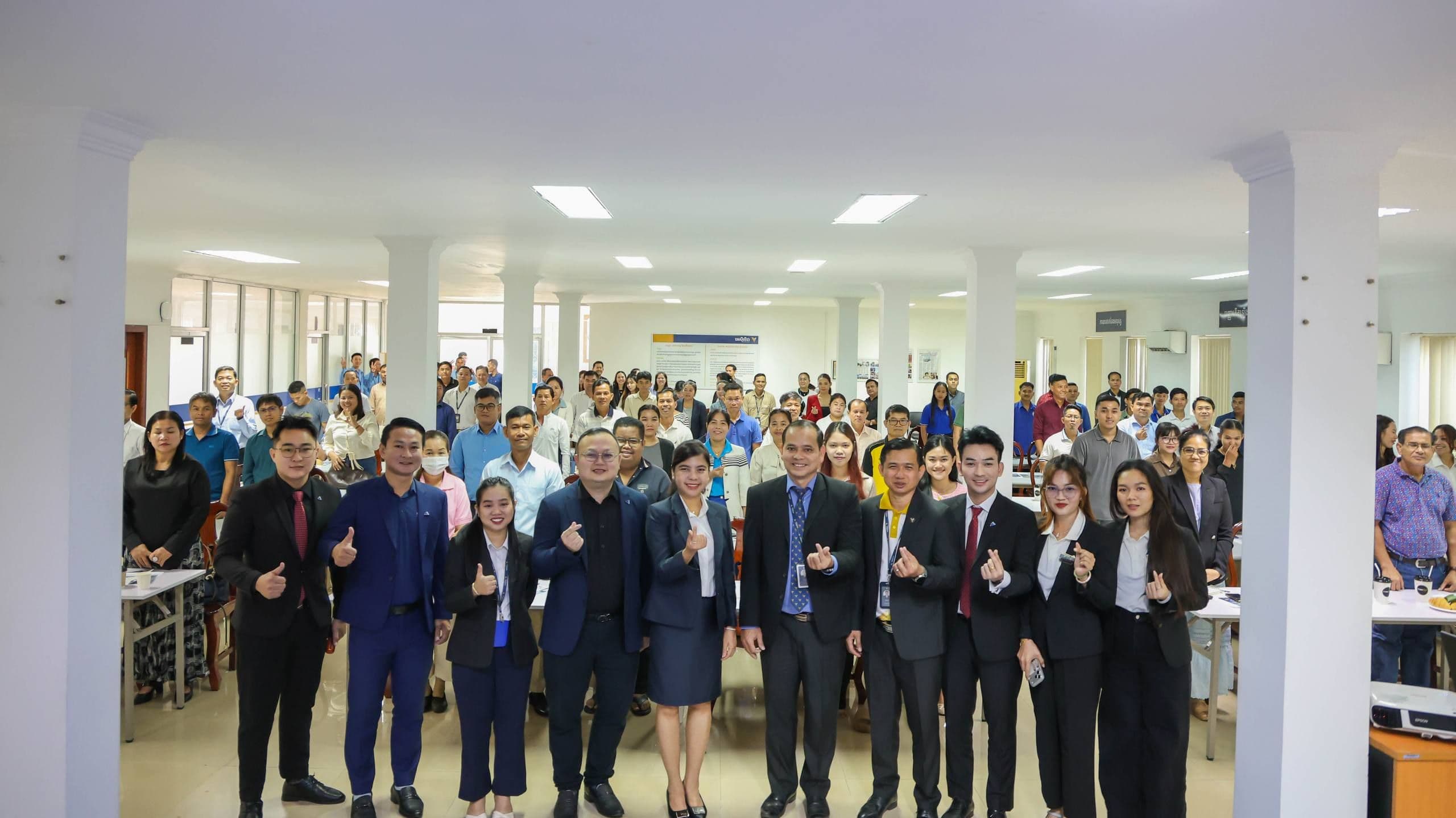
Banjaran AMC Advances BAEF Investment Awareness Through 3rd Round Roadshow in Siem Reap
Banjaran Asset Management (Cambodia) Plc., in collaboration with ACLEDA Securities Plc., ACLEDA Bank Plc. Local Branch (Krong Siem Reap, Sangkat Sla Kram), and ACLEDA Bank Plc. Local Branch (Krong Siem Reap, Sangkat Svay Dankum), successfully hosted the Workshop on “Golden Securities Investment by Opportunities” as part of the 3rd Round Roadshow. The workshop was held at the meeting hall of ACLEDA Bank Plc. Local Branch (Krong Siem Reap, Sangkat Sla Kram) on the morning of 15 August 2026. The workshop aimed to enhance public understanding of capital market investments and the BAMC Asia Equity Fund (BAEF), a Collective Investment Scheme (CIS). We sincerely appreciate the support of our partners and the active participation of all attendees. Special thanks to Mr. Sok Chantola, Deputy Sales & Marketing Manager of Banjaran Asset Management (Cambodia) Plc., on the topic “Investment Value and Benefits of the BAMC Asia Equity Fund (BAEF)”. We look forward to welcoming you to our upcoming events. #BanjaranAMC #BAEF #CIS #Investment #Strategic #Financial
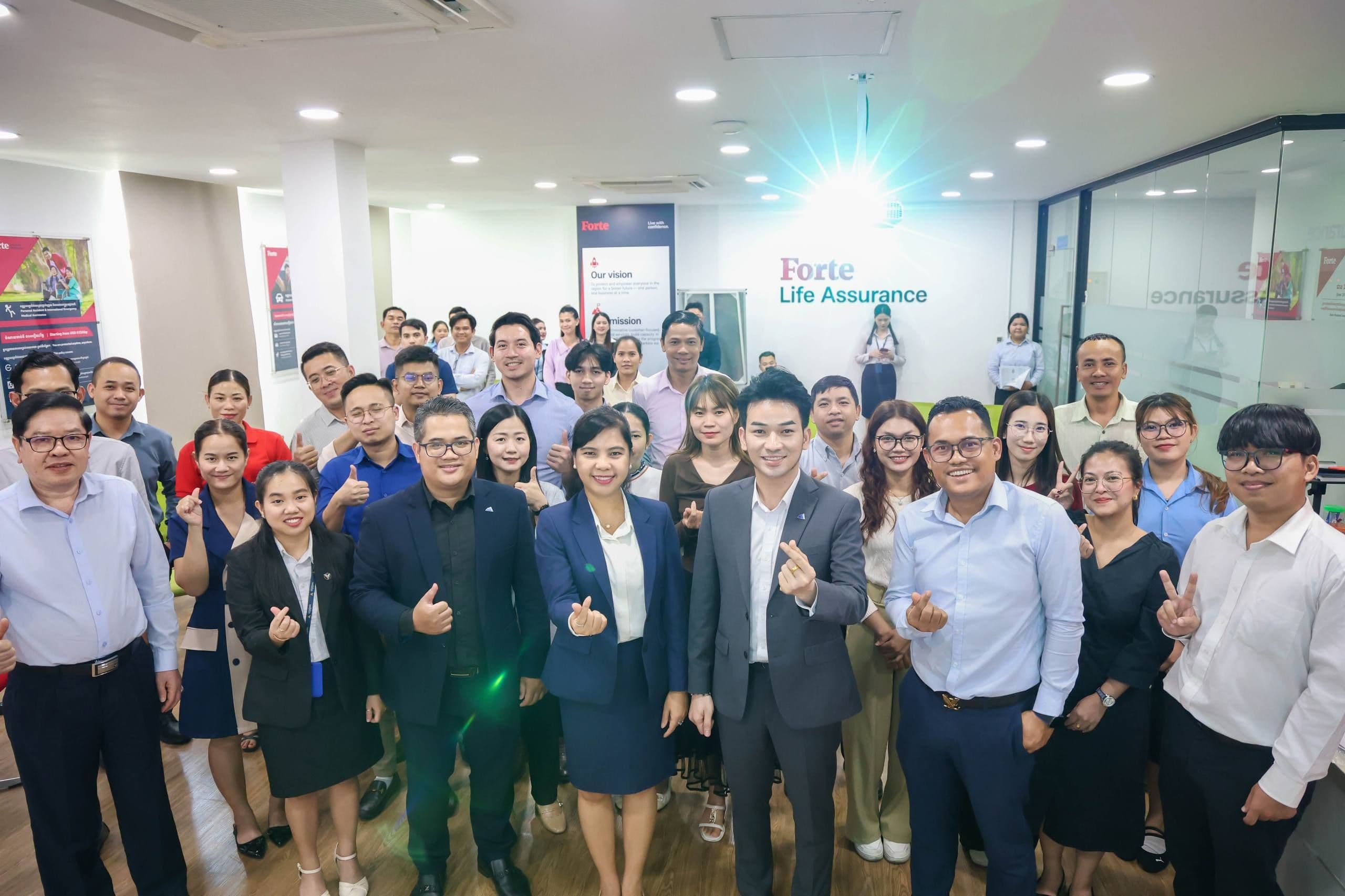
Banjaran AMC Promotes BAEF Investment Opportunities to Forte Group
Banjaran Asset Management (Cambodia) Plc., in collaboration with ACLEDA Securities Plc., successfully organized a workshop on “Golden Investment Opportunities in Securities Sector” for the Management team and staff of Forte General Insurance Plc., and Forte Life Assurance Plc., on 12 August 2026 at Forte Office, One Park Tower. The workshop provided participants with valuable insights into the BAMC Asia Equity Fund (BAEF), including its key features, investment strategy, and the opportunities available through investing in a professionally managed fund licensed by the Securities and Exchange Regulator of Cambodia (SERC). During the session, Mr. Sok Chantola, Deputy Sales & Marketing Manager of Banjaran Asset Management (Cambodia) Plc., delivered a presentation on “Investment Value and Benefits of the BAMC Asia Equity Fund (BAEF)”, sharing knowledge on investment opportunities and the benefits of BAEF as part of Cambodia’s growing securities sector. This workshop marks another important milestone under the Strategic Partnership between Banjaran Asset Management (Cambodia) Plc., ACLEDA Securities Plc., Forte General Insurance Plc., and Forte Life Assurance Plc., with the aim of enhancing investment awareness, strengthening collaboration, and creating opportunities for future business growth. #BanjaranAMC #BAEF #CIS #Investment #Strategic #Financial
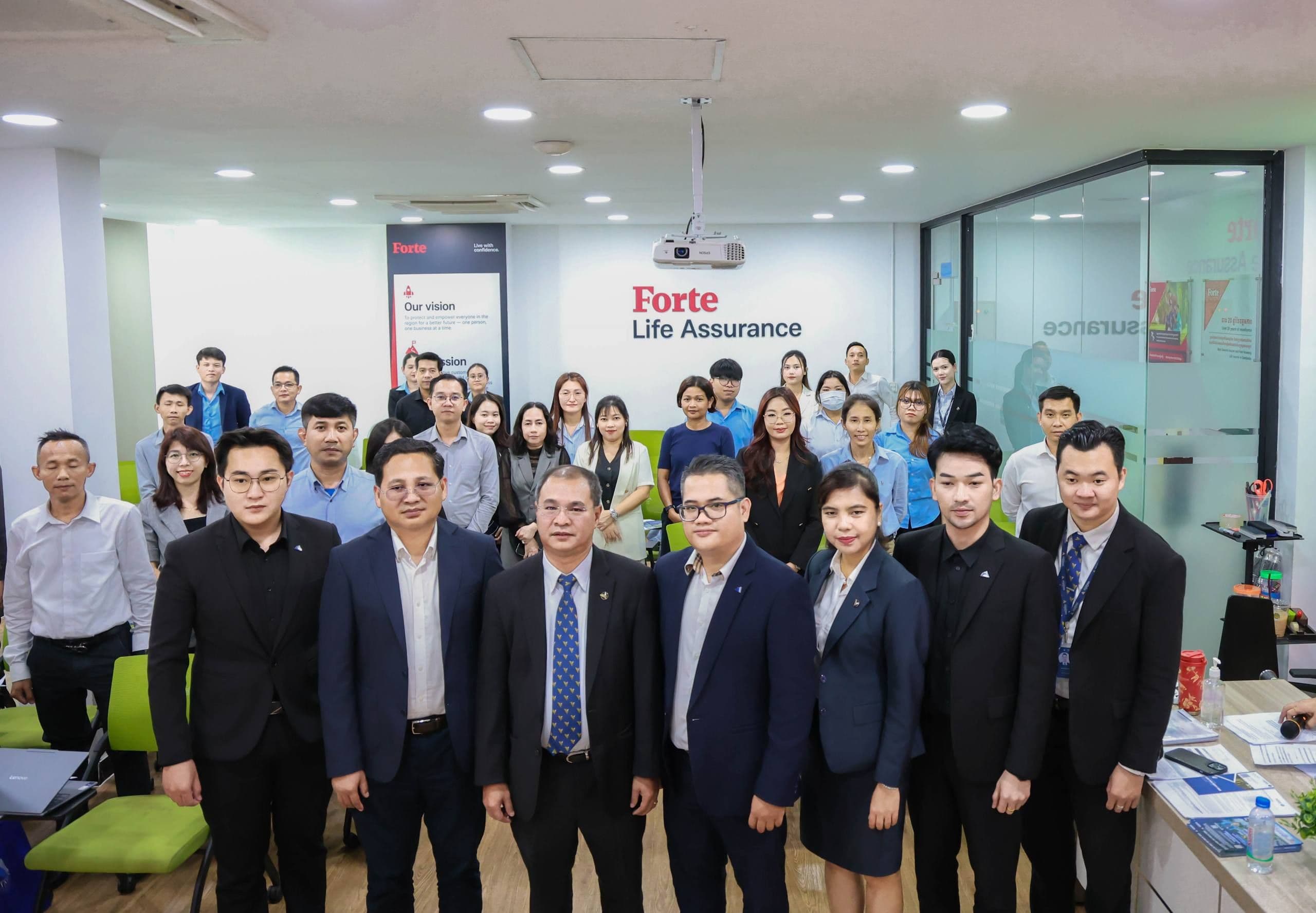
Banjaran AMC and ACLEDA Securities Host Investment Workshop for Forte
Banjaran Asset Management (Cambodia) Plc., in collaboration with ACLEDA Securities Plc., successfully organized a workshop on “Golden Investment Opportunities in Securities Sector” for the Management team and staff of Forte General Insurance Plc., and Forte Life Assurance Plc., on 06 August 2026 at Forte Office, One Park Tower. The workshop provided participants with valuable insights into the BAMC Asia Equity Fund (BAEF), including its key features, investment strategy, and the opportunities available through investing in a professionally managed fund licensed by the Securities and Exchange Regulator of Cambodia (SERC). During the session, Mr. Sok Chantola, Deputy Sales & Marketing Manager of Banjaran Asset Management (Cambodia) Plc., delivered a presentation on “Investment Value and Benefits of the BAMC Asia Equity Fund (BAEF)”, sharing knowledge on investment opportunities and the benefits of BAEF as part of Cambodia’s growing securities sector. This workshop marks another important milestone under the Strategic Partnership between Banjaran Asset Management (Cambodia) Plc., ACLEDA Securities Plc., Forte General Insurance Plc., and Forte Life Assurance Plc., with the aim of enhancing investment awareness, strengthening collaboration, and creating opportunities for future business growth. #BanjaranAMC #BAEF #CIS #Investment #Strategic #Financial
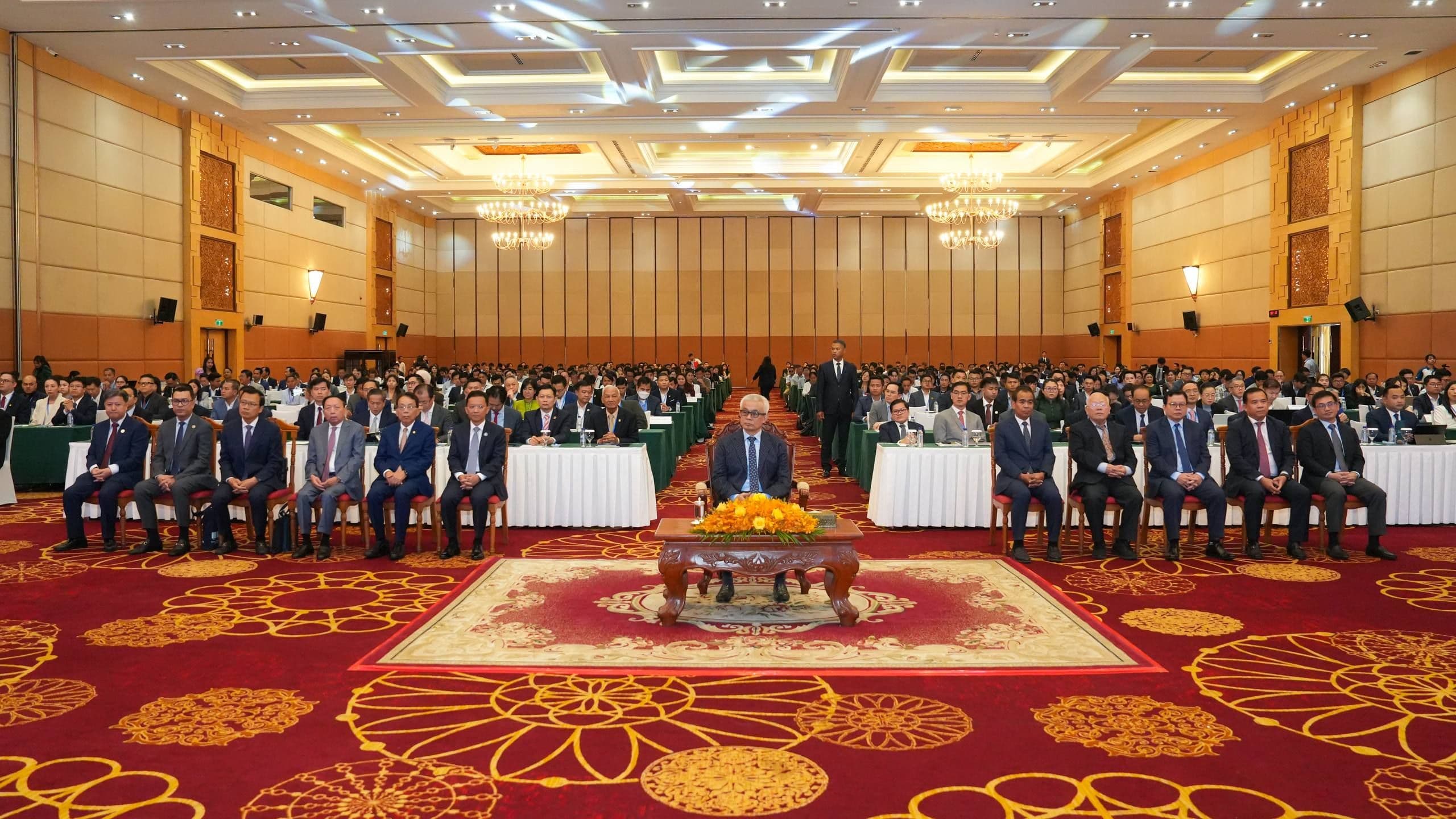
Banjaran AMC Participates in Trust Forum 2026
Banjaran Asset Management (Cambodia) Plc. was honored to participate in the “Trust Forum 2026” under the theme “Trust in the Dynamics of Stakeholder System and Achievements over the Past Five Years,” organized by the Trust Regulator (TR) and presided over by H.E. Akka Pundit Sapheacha AUN Pornmoniroth, Deputy Prime Minister, Minister of Economy and Finance, and Chairman of the Non-Bank Financial Services Authority Council, on 4 August 2026 at Sokha Phnom Penh Hotel. The Forum brought together senior government officials, regulators, trust-sector operators, financial institutions, and industry experts to strengthen networks, exchange insights, and shape the future of Cambodia's trust sector. Delivering the welcome address, H.E. SOK Dara, Director General of the Trust Regulator, highlighted five years of remarkable growth in Cambodia's trust sector while reaffirming ongoing efforts to foster a transparent, resilient, and sustainable ecosystem. Representing Banjaran Asset Management (Cambodia) Plc., Mr. Eric Loo, CEO & Executive Director of Banjaran Asset Management (Cambodia) Plc., attended the landmark event. As a licensed fund management company in Cambodia, Banjaran AMC remains committed to working alongside and supporting our Trustee partners, driving collaboration, strengthening market confidence, and supporting the long-term growth of the financial and investment landscape.
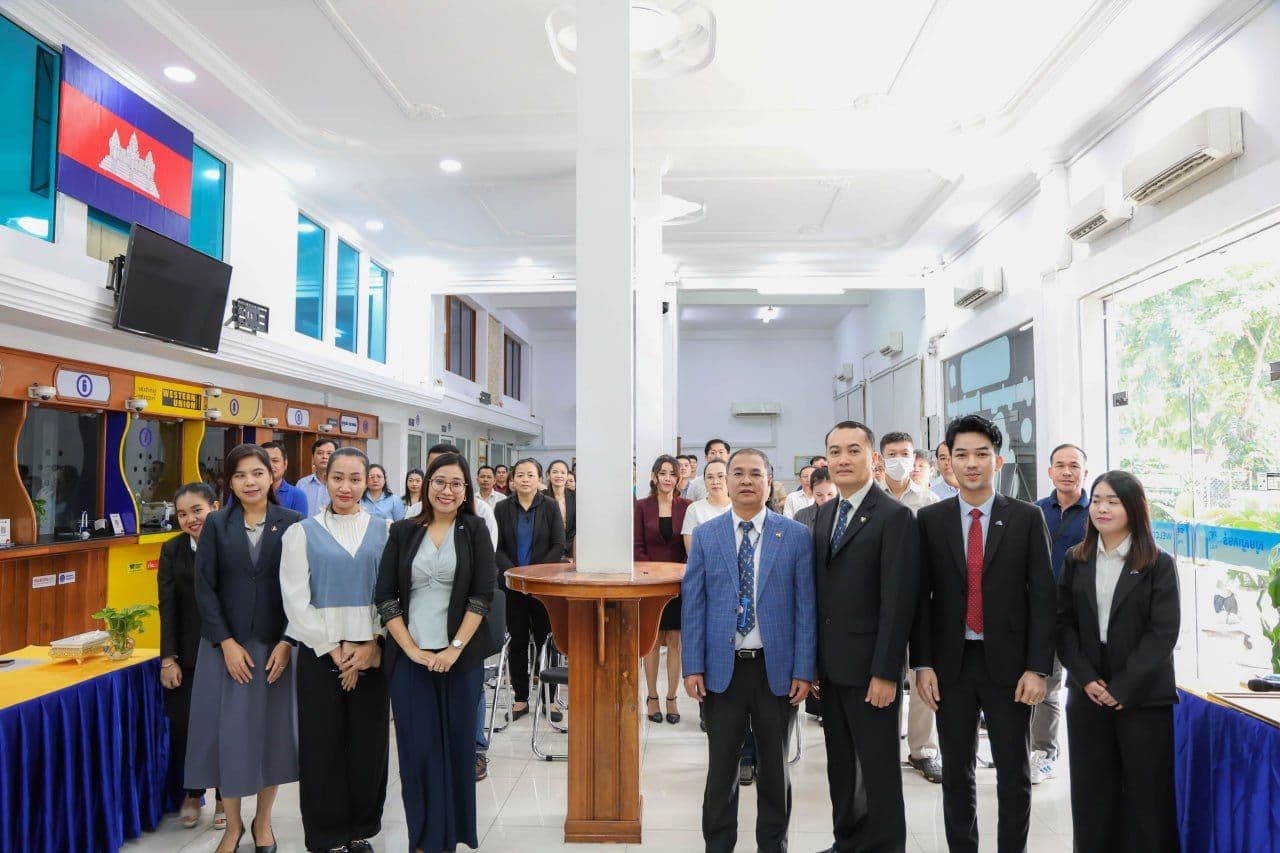
Golden Investment Workshop – ACLEDA Bank Tuol Kouk Branch
Banjaran Asset Management (Cambodia) Plc., in collaboration with ACLEDA Securities Plc., successfully organized the Workshop on "Golden Investment Opportunities in Securities" as part of the 3rd Round Roadshow at ACLEDA Bank Plc., Local Branch (Khan Tuol Kouk, Sangkat Boeng Kak Ti Muoy), on the morning of 01 August 2026. The workshop aimed to enhance public understanding of capital market investments and the BAMC Asia Equity Fund (BAEF), a Collective Investment Scheme (CIS). We sincerely appreciate the support of our partners and the active participation of all attendees. Special thanks to Mr. Sok Chantola, Deputy Sales & Marketing Manager of Banjaran Asset Management (Cambodia) Plc., on the topic “Investment Value and Benefits of the BAMC Asia Equity Fund (BAEF)”. We look forward to welcoming you to our upcoming events.
市场展望

2026 April Market Outlook: From Conflict Shock to Market Strength — What’s Driving the Recovery
Major indices across the countries tumbled in March but abruptly spiked in April upon the announcement of US-Iran peace talks, though the US Navy continues its blockade of the Strait of Hormuz. Record highs in the tech-heavy S&P 500 and strong US corporate earnings reaffirm the market’s resilience throughout the conflict, particularly for demand in technology. Similarly, Asian markets tracked US gains and rallied in April; South Korea’s Kospi and Japan’s Nikkei were also driven by technology related optimism and de-escalation relief. Singapore’s central bank tightened monetary policy while the Bank of Japan cooled rate hike expectations. The situation in China remains mixed with continued weak domestic demand and an ongoing property sector drag, while local banks have outpaced broader market since the war broke out. As markets rebounded and risk sentiment improved in April, we remain highly selective in stock selection while diversifying across markets, maintaining our disciplined, bottom-up approach to portfolio construction.

2026 March Market Outlook: Markets Under Pressure as Geopolitical Tensions Rise
The US-Israel war with Iran has created a delicate balancing act between investing for resilient growth and managing geopolitical volatility. While a "soft landing" remains the baseline for many advanced economies, the landscape has grown more complex following the late-February shocks. On interest rate watch, the US Fed is expected to maintain a "higher-for-longer" stance to counter inflationary pressures from rising energy cost, and to a lesser extent the new 15% global tariffs. Markets are pricing in a sustained "war premium" in energy. With Brent crude hovering near $100, any further escalation in the Middle East could reignite global supply-side inflation, which may lead to extended high-interest-rate environment and hence leading to a sharp global economic slowdown. In China, it has largely stayed away from the Middle East war though it has urged US and Israel to de-escalate and stop its aggression against its ally, Iran. China is amongst the most affected countries by the closure of the Strait of Hormuz, though Iran has allowed some Chinese-flagged oil tankers to transit through. Meanwhile, all eyes are on the implementation of the 15th Five-Year Plan. Success hinges on whether Beijing’s "New Quality Productive Forces" can offset the structural drag of its property sector. After the February technology sector correction and in this current environment of heightened volatility, we remain highly selective in the technology sector while diversifying across markets, maintaining our disciplined, bottom-up approach to portfolio construction.

2026 February Market Outlook: From U.S. Policy Turmoil to Mixed Signals Across Asia
The geopolitical scene in the US has been uncertain and volatile. The January jobs report exceeded expectations, though employment gains were largely concentrated in the healthcare sector. Kevin Warsh, known for his hawkish stance, has been nominated as the next Federal Reserve Chair, though this remains to be confirmed by the Senate. In the past week, the Supreme Court has ruled against President Trump’s International Emergency Economic Powers Act (“IEEPA”) tariffs. In return, the Trump administration acted quickly to impose 10% global tariffs, and immediately raised to 15% that will remain effective for 150 days under a separate trade law. These developments have contributed to a weakening US dollar, which is further exacerbated by rising US-Iran military tensions. Gold extended its rally and reached new highs, while silver surrendered most of its gains. Investors remain cautious amid sharp swings in these traditional safe haven assets. In Asia, market performance has been mixed. Indonesia experienced its largest stock crash since 1998, whereas South Korea and Taiwan delivered strong returns. Markets have shown heightened sensitivity to the external macro environment, resulting in intermittent pullbacks. Most recently, Chinese stocks rose as IEEPA tariffs were removed as China is set to face lower duties on shipments to the US. The Shanghai Composite and Hang Seng indexes also experienced recent declines, as is expected due to thin trading volumes during the Lunar New Year holiday season. Overall sentiment towards Asian equity markets amid the uncertain global political climate remains positive. Against this backdrop, we continue to diversify across different markets and sectors while remaining selective to stock selection, particularly within the technology sector. We continue to maintain a disciplined, bottom-up approach in portfolio construction.

2026 January Market Outlook: A Month That Redirected Market Attention
The New Year began with subdued volatility, but the calm was subsequently shattered by geopolitical events, notably US’s desire to take over Greenland for its strategic Arctic Circle argument. Demand for gold and silver skyrocketed with prices hitting new fresh highs. However, these high precious metal prices can create a range of challenges for precious metal-dependent industries like solar panel makers and EV producers which use silver as part of their components in their production. This may further impact the profitability of the solar panel makers which are already facing an oversupply situation. Asian markets started the year mixed but with some positive moves. Several key themes are driving the markets, central amongst them is a strong Asian IPO pipeline especially in Hong Kong and India. Other country-specific themes that are driving the markets include the deployment of funds from the Equity Market Development Programme in Singapore. The Korean Kospi has exceeded their President’s target, with technology companies fueling the rally on accelerated semiconductor demand. China surprised with an export outperformance with a record 2025 trade surplus, plus resurgent interests in AI-related tech names. While in Japan, performance is mixed where there are concerns with the volatility and soaring yields in the Japanese Government Bonds market. In 2025, US technology stocks dominated investor attention for much of the year, later turning to precious metals commodities. This period also underscored the importance of diversification and currency exposure beyond the US. With growth now amplifying across global markets, moderate softening of the US dollar may act as a drag on returns from US assets. Against this backdrop, we retain our emphasis on broadening exposure to other markets and sectors while being mindful of our stock selection, particularly in the technology sector. We continue to maintain a disciplined, bottom-up fundamental approach in portfolio construction.

2025 December Market Outlook: Protecting Value as Risks Reprice.
The hawkish rate cut signaled the Fed’s caution, even as tariff-related inflation pressures appeared to be fading. November’s jobs report suggested a subdued consumer environment. Unemployment had risen to its highest level since 2021, and retail sales remained unchanged despite Black Friday sales. Though the Trump administration has softened its language on China, recent developments highlight the delicate truce in their trade war. The U.S. has restricted China’s access to technology, such as permitting limited Nvidia chip exports, and formed an international partnership to counter China’s rare earth dominance. Across Asia, the picture remains mixed. The weaker U.S. dollar alleviates pressure on currency weakness in countries like Indonesia, South Korea, India, and the Philippines. The Bank of Japan have responded to the Fed’s rate cut by raising interest rates by a quarter point in a widely expected decision. In China, the economy continues to be supported by sustained capital inflows and the boom in exports while pivoting away from dependence on U.S. consumers. This was in spite of the property sector slump, missed industrial production expectations, weak retail sales, and unchanging unemployment rates. Measures to drive consumption appear ineffective, and rising trade frictions with countries beyond the U.S are weighing on sentiment. Investors are increasingly watchful for signs of an AI-driven bubble, including circular financing risks inflating valuations, where such dynamics could unwind abruptly. Against this backdrop, investors face a strategic dilemma - rein in AI exposure ahead of a potential bubble popping, or double down to capitalize on game-changing technology breakthroughs. In response, we are positioning portfolios defensively and broadening exposure to other sectors. This includes increasing allocations to commodities such as silver and gold, which can serve as stores of value, and consumer staples, that tends to offer more resilient demand. We continue to maintain a disciplined, bottom-up fundamental approach in portfolio construction.

2025 November Market Outlook: AI Bubble Alert
Mega-cap chip making company Nvidia Corp (“Nvidia”) became the first company to hit $5 trillion market capitalisation, likely due to U.S. President Trump’s comments ahead of the trade talk with Chinese President Xi Jinping at the end of October. The talk resulted in a consensus on cooperation in expanding agricultural trade and pausing the rare-earths licensing regime for a year. Mid-November saw the conclusion of the record U.S. government shutdown, which lasted 43 days, and put an end to unpaid furlough and other government operations. Consequently, the October jobs report was cancelled due to insufficient data. The ambiguity around unemployment rates raised uncertainty about the state of the U.S. economy. Compounding concerns were exacerbated by growing anxieties about stretched valuations of an “AI bubble”, which led to a selloff towards the end of November. Similarly, the Asian equity market, primarily due to technology companies in the AI landscape, slumped after an initial rally in the previous month’s end. In the semiconductor space, South Korean company Samsung Electronics Co., Ltd. reported an 80% surge in profit and SK Hynix Inc. continued to lead in chip memory. In China, different industries continue to diverge as technology companies grow while consumption and property remain a drag. In response, China’s policymakers are evaluating various measures to support the housing market. The MSCI Emerging Markets Index fell sharply, and losses were led by the tech heavy Korean Kospi index where the aforementioned Korean companies posted steep declines. Looking ahead, we remain cautious of the volatility in the markets. Due to concerns about inflated valuations for technology companies, the pullback observed in late November may have been a profit taking move or a price correction. Investors remain watchful for indicators of the widely discussed AI bubble, and signals for a potential burst. Against this landscape, we maintain a disciplined and balanced approach, grounded in bottom-up fundamental analysis in our portfolio construction.