

洞察力
获取最新资讯、专家分析及市场展望,抢先洞察行业动态。
新闻中心
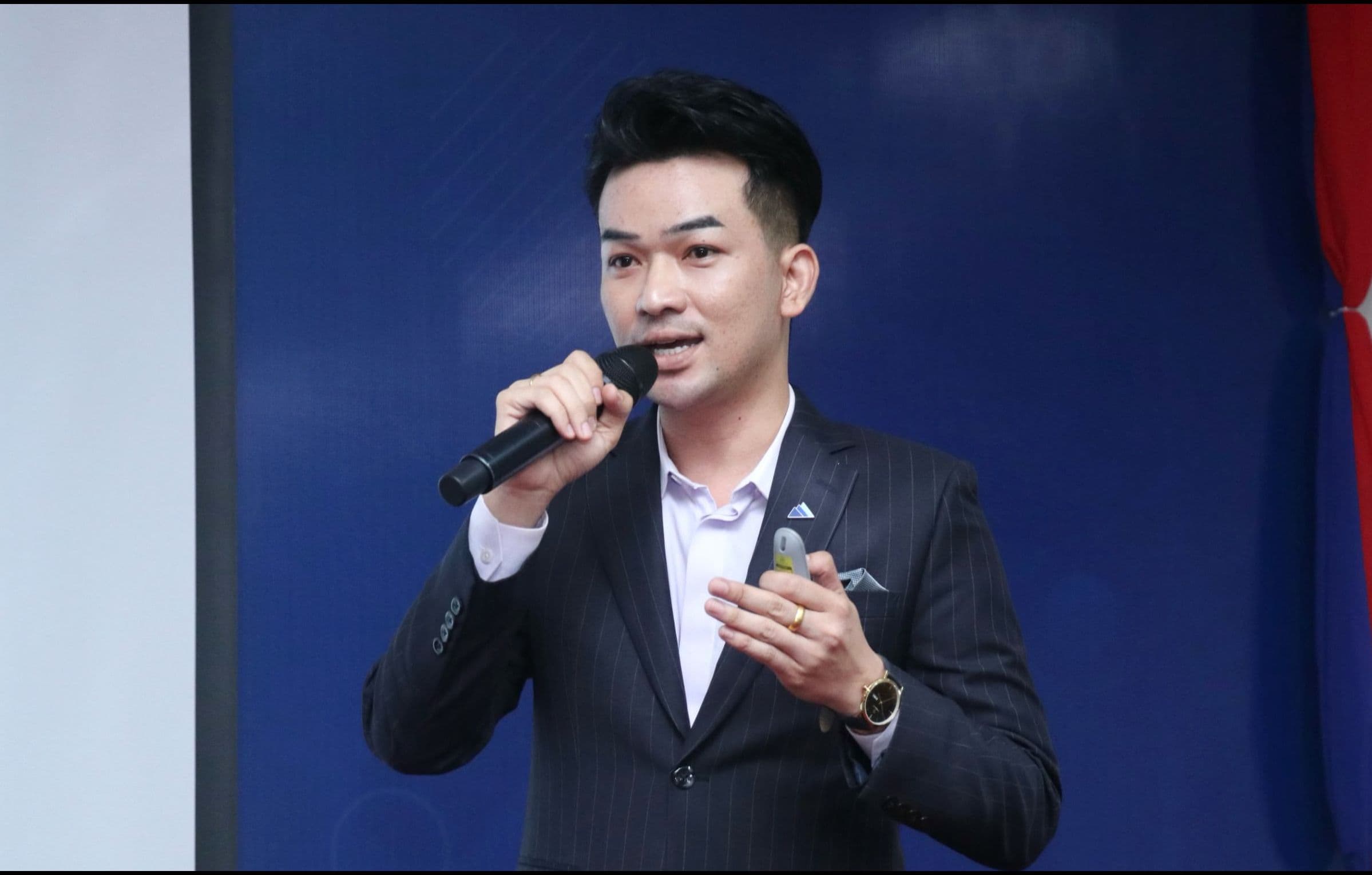
“提升证券业金融知识意识”培训课程
2025年11月11日下午,富亚资产管理(柬埔寨)有限公司的代表参加了由柬埔寨证券交易监管局(SERC)与爱喜利达商学院(AUB)合作举办的‘提升证券业金融知识意识’培训课程。 在此次培训期间,经富亚资产管理(柬埔寨)有限公司管理层批准,副销售及市场经理 Sok Chantola 先生发表了关于‘毕业期间及毕业后的个人财务规划’的演讲,指导参与者如何有效地管理和规划其长期财务储蓄。 此次培训旨在提升大学生的金融素养,鼓励有效的储蓄习惯和明智的投资实践,帮助他们为长期的财务稳定制定计划。
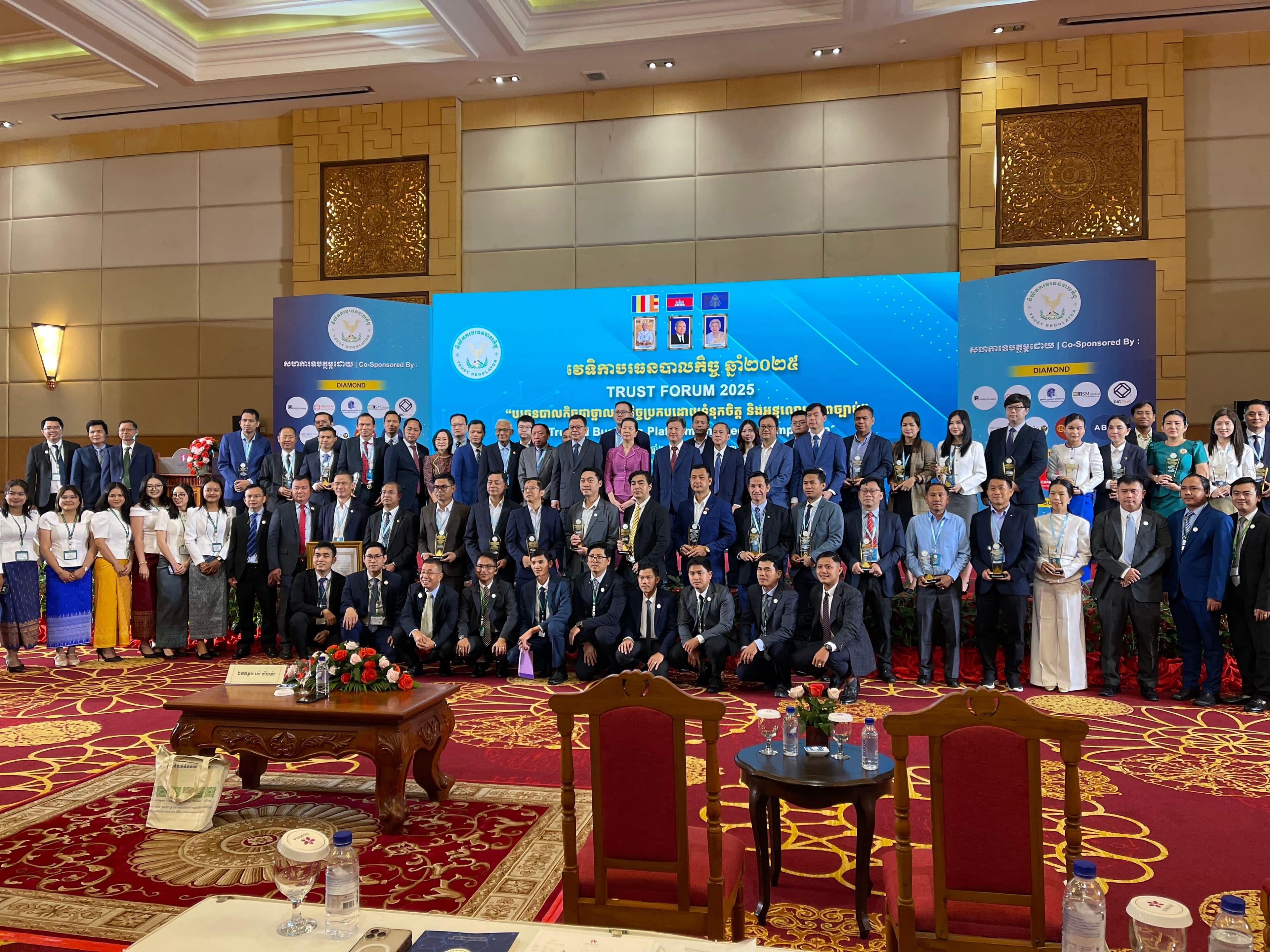
2025年信托论坛
富亚资产管理(柬埔寨)有限公司首席执行官兼执行董事 Eric Loo 先生很荣幸参加了于2025年10月31日在金边索卡酒店举行的2025年信托论坛。此次活动以‘信托业务平台与法律合规’为主题,为讨论家族信托、柬埔寨信托行业的战略方向以及促进建立稳健透明的信托商业环境提供了重要平台。 通过出席此次会议,Eric 先生表示很感激能有机会与主要利益相关者接触,并为支持柬埔寨信托行业持续发展的对话做出贡献。
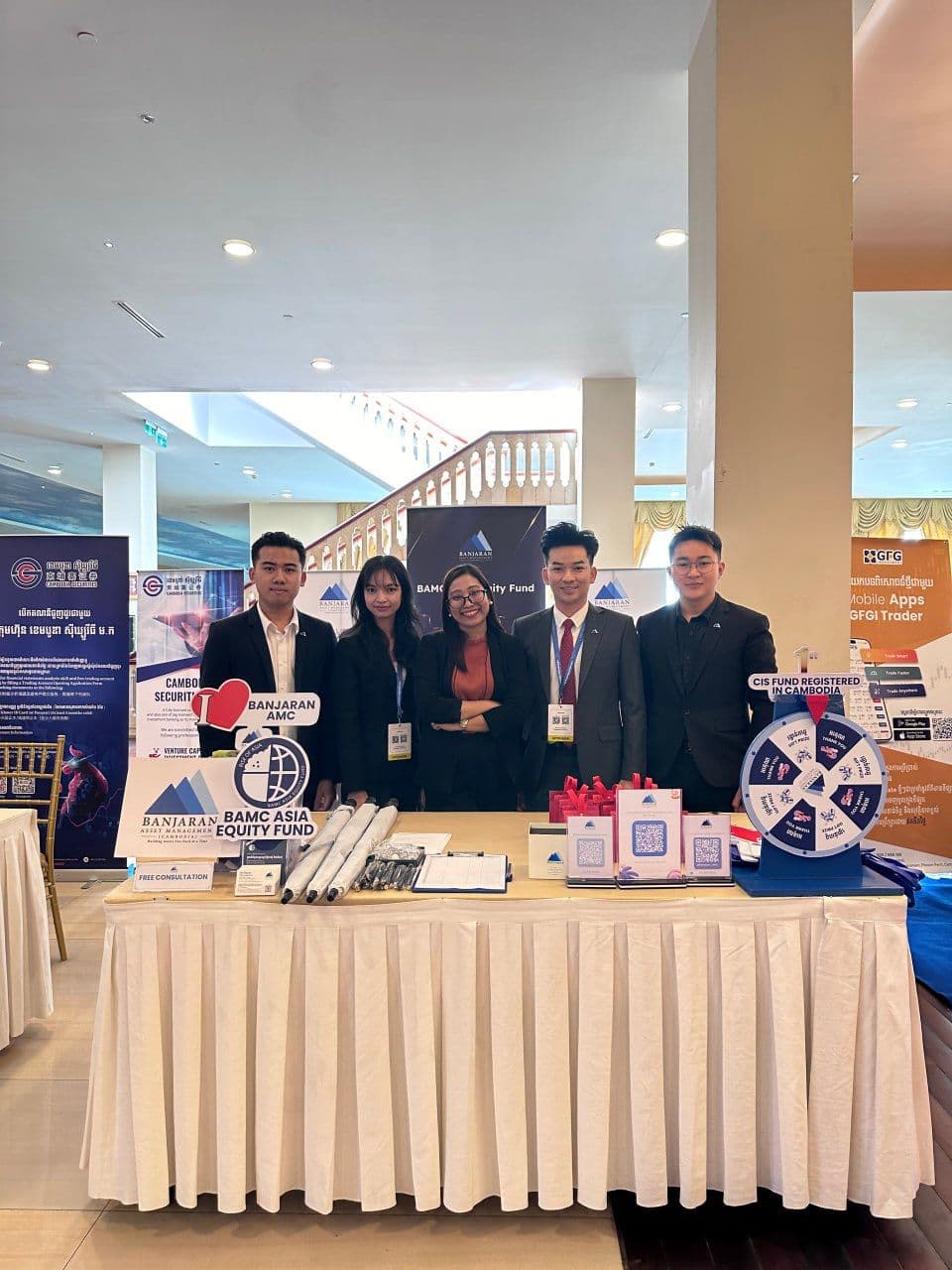
富亚参加2025年年度证券会议
富亚资产管理(柬埔寨)有限公司很荣幸能参加10月7日举行的2025年年度证券会议!我们很高兴在整个活动期间与参观我们展位的与会者进行交流。 副总理、财经部部长兼非银行金融服务管理局主席安蓬莫尼拉阁下/博士,以及柬埔寨王国政府代表、柬埔寨证券交易监管局(SERC)总干事 Sou Socheat 阁下出席了此次活动。

富亚资产管理(柬埔寨)因其对柬埔寨金融市场的贡献而获得表彰
在2025年10月7日于索卡酒店举行的2025年年度证券会议上富亚资产管理(柬埔寨)有限公司首席执行官兼执行董事 Eric Loo 先生荣获柬埔寨王国政府代表、SERC 总干事 Sou Socheat 阁下颁发的认可证书。此次盛会由 SERC 主办,汇聚了柬埔寨证券行业的领导者和专业人士,共同探讨可持续性、创新、包容性和韧性。我们真的很荣幸能成为2025年年度证券会议的赞助商之一! 在 2025 年 10 月 7 日 于 索卡酒店 举行的 2025 年年度证券会议 上富亚资产管理(柬埔寨)有限公司的首席执行官兼执行董事 Eric Loo 先生,在这一由 柬埔寨证券与交易监管机构(SERC) 主办的重要活动中,荣获 柬埔寨王国政府代表、SERC 总干事 Sou Socheat 阁下 颁发的表彰证书。 本次大会汇聚了柬埔寨证券领域的领导者与专业人士,共同探讨 可持续发展、创新、包容性与韧性 等关键议题。 富亚资产管理(柬埔寨)有限公司为能支持柬埔寨金融市场的持续增长和创新而感到自豪!

Aaron Ng 先生在2025年年度证券会议上倡导单位信托投资策略
富亚资产管理公司(新加坡)首席执行官 Aaron Ng 先生,于 2025 年 10 月 7 日 在 索卡酒店 举行的 2025 年年度证券会议 上,发表了题为 《在柬埔寨投资单位信托基金:多元化投资并降低风险》 的精彩演讲。该会议由 柬埔寨证券与交易监管机构(SERC) 主办。 会议由副总理、财经部部长兼非银行金融服务管理局主席安蓬莫尼拉(AUN Pornmoniroth)阁下/博士主持。 Aaron 先生的会议就柬埔寨资本市场的增长潜力以及单位信托基金在最小化风险和分散投资方面的关键作用提供了宝贵的观点。
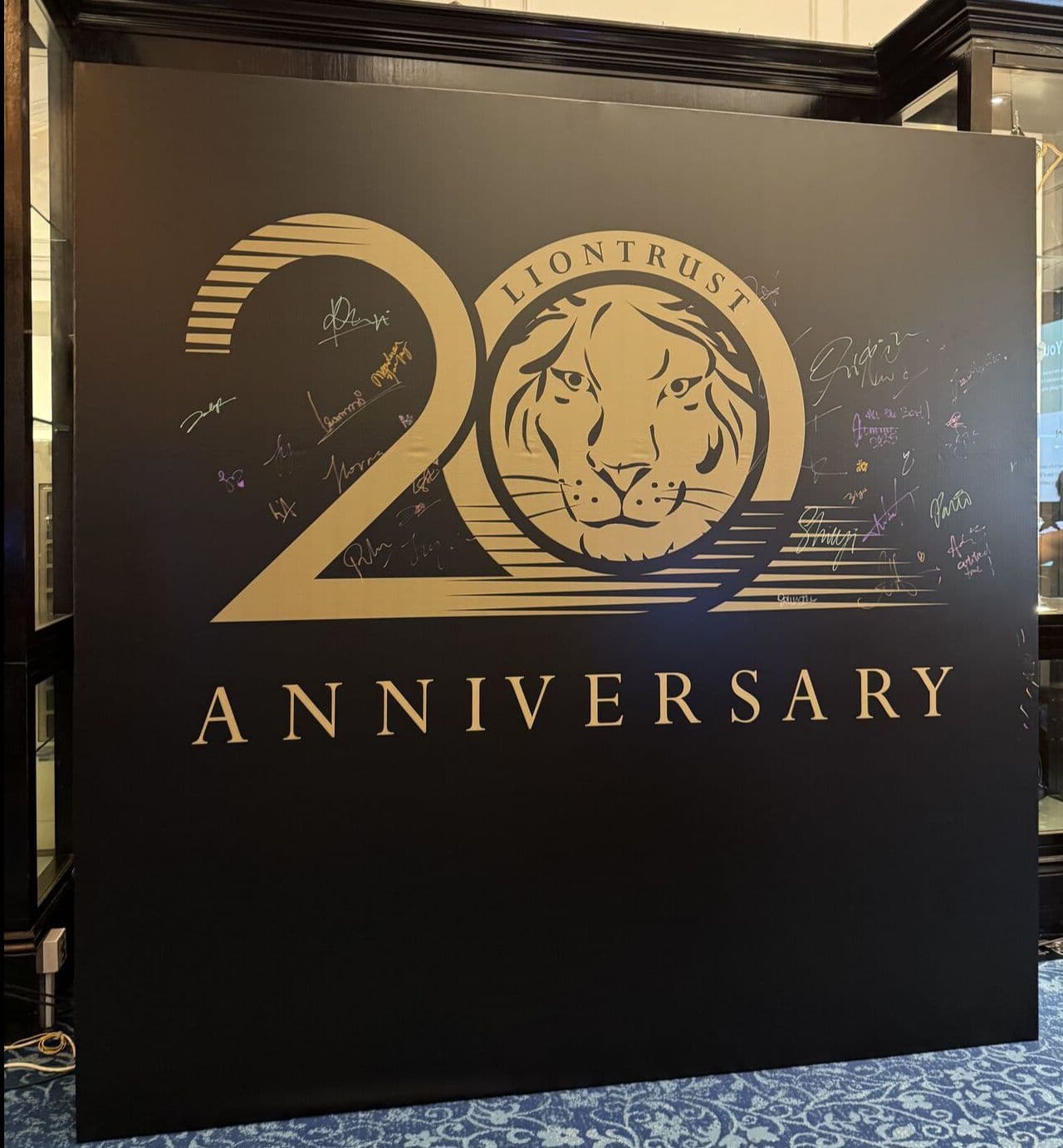
富亚首席执行官 Eric Loo 先生参加 狮子信托20周年庆典
新加坡 – 2025年9月5日, 富亚资产管理(柬埔寨)有限公司受邀参加 狮子信托集团在新加坡举行的20周年庆典。我们的首席执行官兼执行董事 Eric 先生很荣幸能与创始人、合作伙伴和业界同仁一起庆祝这一非凡的里程碑。 狮子信托 20年的历程是信任、文化和坚持所产生影响力的有力证明。在一个通常关注短期利益的行业中,他们证明了真诚的关系和长期的管理才是建立持久成功的关键。这种承诺与 富亚资产管理公司在柬埔寨的使命产生了深刻共鸣。 狮子信托 所体现的原则正是我们努力追求的:信任是每一个伙伴关系的基石。协作文化孕育共同目标。通过一致性和可持续增长建立长久发展。 我们要向整个狮子信托团队致以最热烈的祝贺。他们的价值观和奉献精神是一种鼓舞,我们期待继续合作,共同为我们要服务的社群塑造一个稳定和繁荣的金融未来。”
富亚与大学生分享集体投资计划洞察
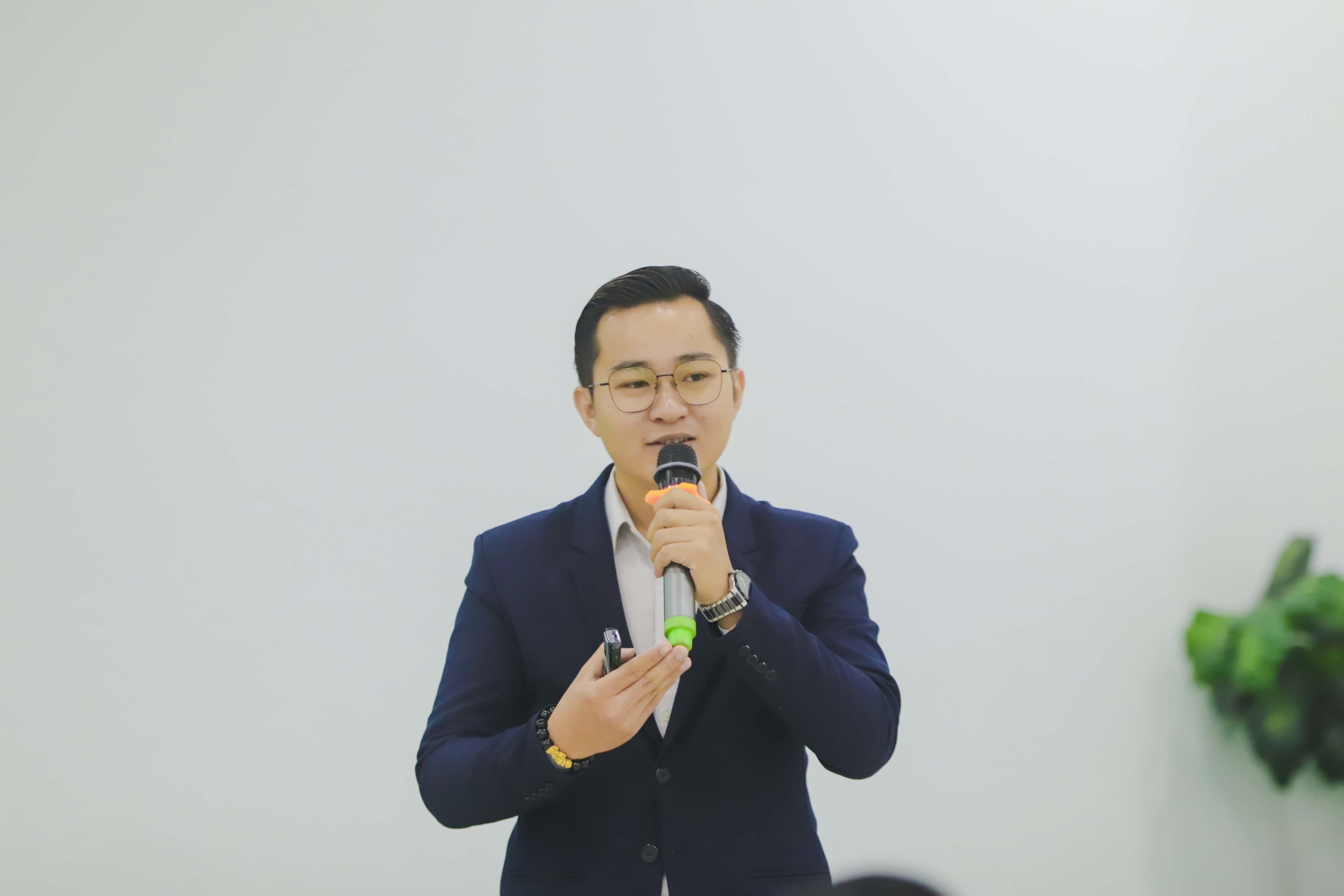
2025 年 8 月 26 日上午,富亚资产管理 ( 柬埔寨 ) 有限公司 . 代表参加了由爱喜利达证券有限公司 (ACLEDA Securities Plc.) 主办、柬埔寨证券交易监管机构 (SERC) 、柬埔寨证券交易所 (CSX) 及亚欧大学 (AEU) 支持的 “ 智慧投资 ” 培训课程。 在富亚管理层批准下,公司法务与合规官员 Taing Hoy 先生 作了题为《集体投资计划》的专题演讲,向学生介绍了与柬埔寨证券行业相关的最新投资知识,普及了集体投资工具的理念及实践应用。 本次培训旨在提升大学生的金融素养,培养良好的储蓄习惯,并推动理性、智慧的投资理念,为未来投资实践打下坚实基础。
塑造柬埔寨金融未来:来自行业领袖的洞察
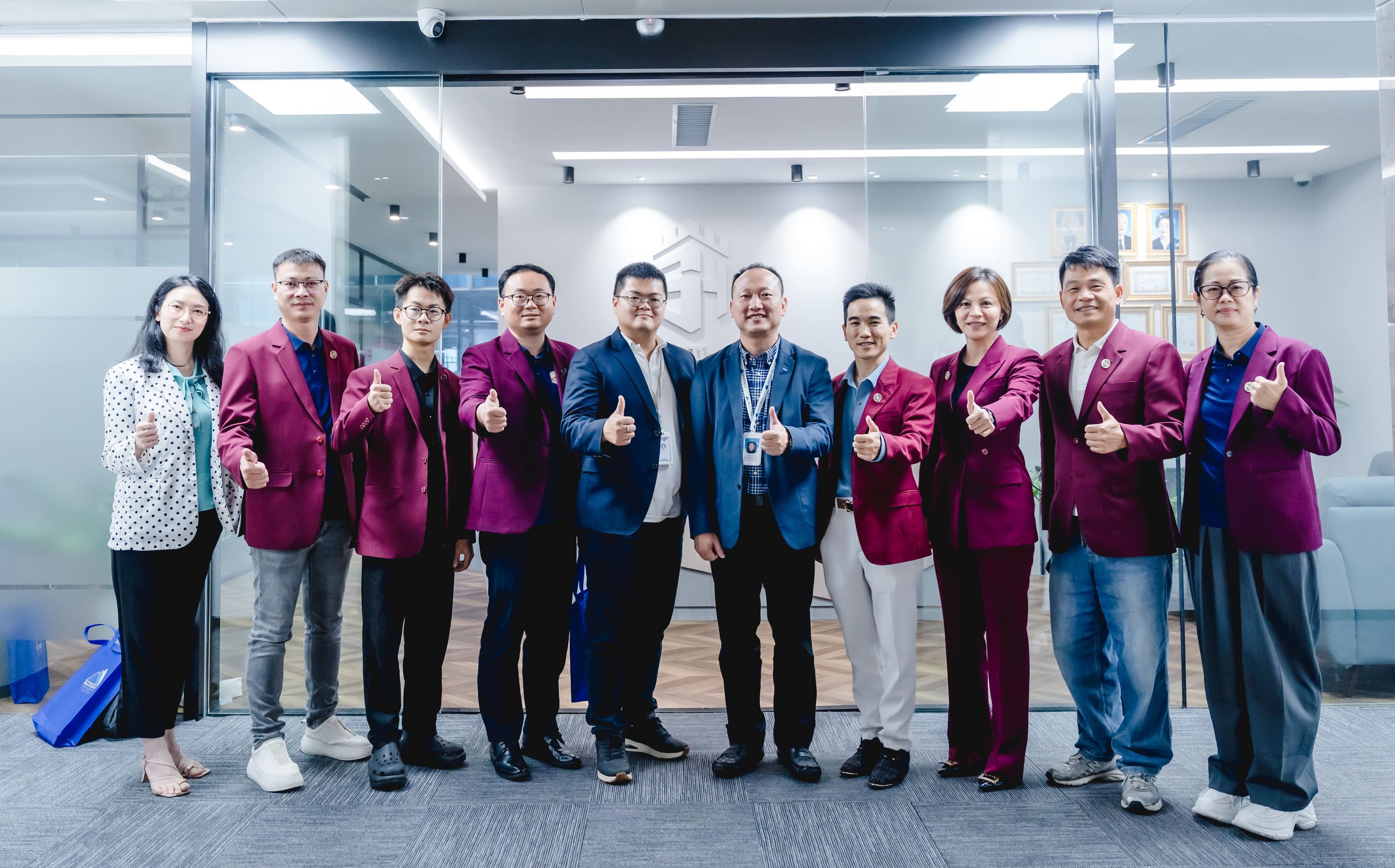
2025 年 8 月 22 日的最新研讨会汇聚了行业领袖,分享对塑造柬埔寨金融行业发展关键议题的专业见解。 富亚首席执行官 Eric Loo 先生 发表了题为《成功推出柬埔寨首支公募基金对国家经济及金融体系的重要意义》的演讲。他强调了富亚作为市场先行者的影响力,分享了推出该国首支公募基金所面临的挑战,以及公司在行业设立的高标准,确保透明度、安全性及投资者信心。他还指出该基金带来的经济效益,如吸引新投资机会,以及集体投资计划 如何支持项目和中小企业推动增长。他的观点凸显了创新和勤勉在建设强大金融体系、增强经济及投资环境方面的重要性。 随后,碉堡信托有限公司 (StrongHold Trustee) Hans Chen 先生 介绍了公司业务,并阐述了受托服务的重要性,强调其在确保集体投资计划管理的安全性、透明性和信任度方面的关键作用。 最后, Zhang Dazhi 先生 分享了柬埔寨企业合规方面的专业经验,探讨企业有效管理风险的实践策略,包括合理税务规划、通过环境影响评估实现可持续增长、准确报告及遵守监管要求,为企业应对不断变化的合规环境提供指导。 这些讨论集中体现了行业专家在建设更强大、更具韧性及前瞻性的柬埔寨金融生态系统方面的共同努力。
富亚在全国投资工具研讨会上发挥关键作用
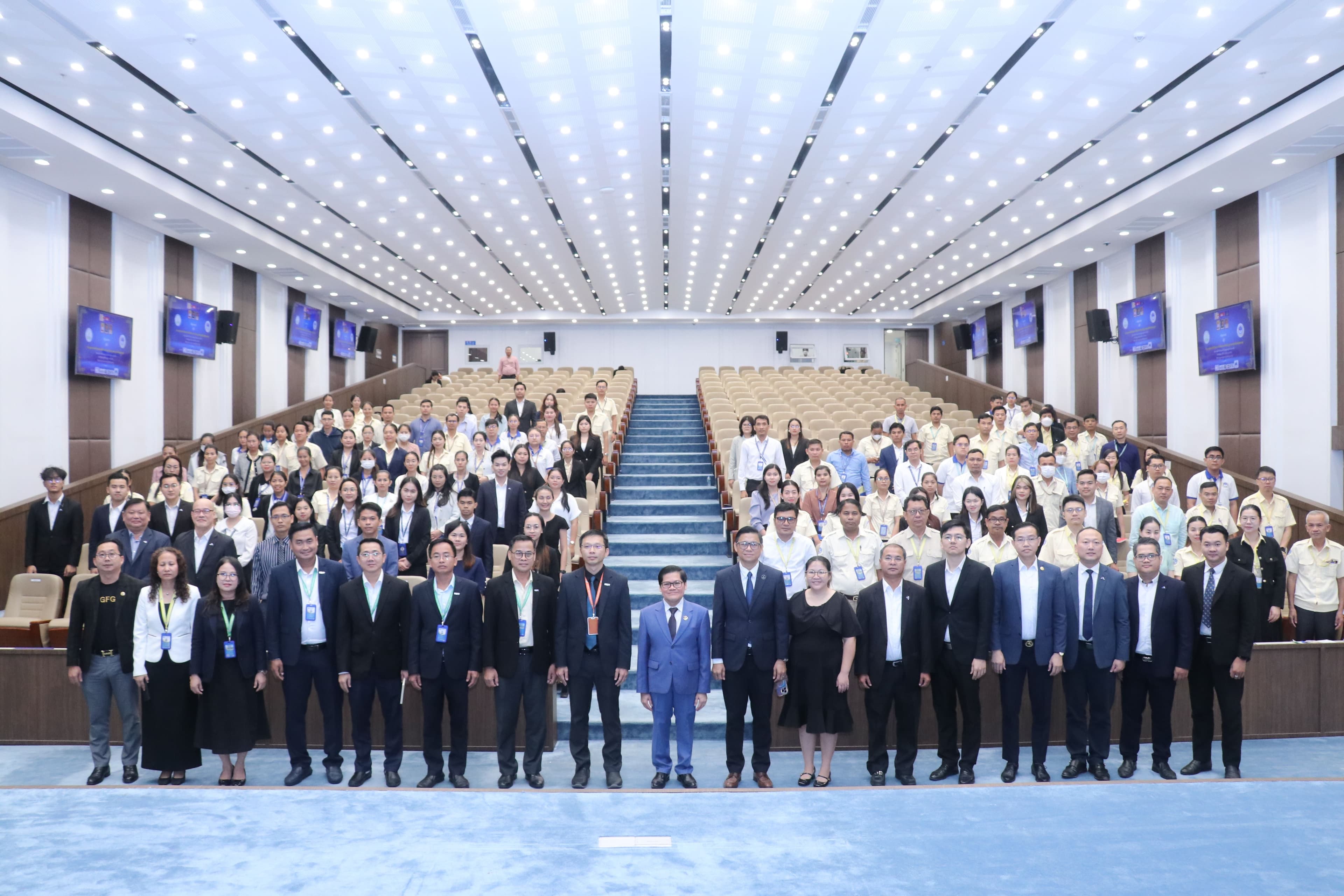
2025 年 8 月 14 日,富亚资产管理 ( 柬埔寨 ) 有限公司参与了以 “ 证券行业的投资工具与融资理解 ” 为主题的重要全国性研讨会。该活动在柬埔寨国家社会保障基金 (NSSF) 总部举行,由柬埔寨证券交易监管机构 (SERC) 与国家社会保障基金联合主办,并得到柬埔寨证券交易所 (CSX) 、爱喜利达证券有限公司 (ACLEDA Securities Plc.) 、富亚资产管理 ( 柬埔寨 ) 有限公司及 Gold Financial Global Investment Co., Ltd. (GFG) 的支持。研讨会汇聚了 150 多名参与者,包括政府官员及金融专业人士。 国家社会保障基金副总干事 Kim Keoreaksme 阁下 对柬埔寨国家社会保障基金卡在帮助民众支付医院账单和医疗费用方面所产生的积极影响表示赞赏,同时重申柬埔寨国家社会保障基金致力于为会员提供关键的社会保障和金融服务。他还强调了投资机会在补充社会保障、确保长期可持续发展方面的重要性。这些讲话反映了高层政府领导的高度支持与认可,凸显了富亚与柬埔寨国家社会保障基金合作在推进国家福祉和长期经济增长方面的战略意义。 富亚首席执行官兼执行董事 Eric Loo 先生 在研讨会上展示了公司作为柬埔寨新兴基金管理市场先锋的角色。他的愿景和领导力推动了新基金项目的发展,并奠定了富亚在市场上的先行者地位。新加坡董事会成员 Low Hon-Yu 先生 和 Christopher Wong 先生 也出席活动,全力支持这一重要的国家级工作。这种本地领导力与全球专业经验的结合,正是富亚的独特优势所在。 富亚在推动市场发展方面的承诺得到了高度认可。柬埔寨皇家政府代表兼柬埔寨证券交易监管机构总干事 Sou Socheat 阁下 对富亚在研讨会成功举办及投资者教育和市场发展方面所作出的贡献表示高度赞赏。这一高层认可凸显了富亚在建设信任、传播金融知识及促进柬埔寨金融生态系统发展的关键作用。 富亚企业经理 Nhem Sopaul 先生 进行了题为《集体投资计划 (CIS) 》的演讲,将复杂的金融概念以通俗易懂的方式向柬埔寨国家社会保障基金官员讲解。他阐述了这些基金如何为普通柬埔寨民众提供有纪律性、分散化的投资机会,体现了公司赋能投资者的使命。 富亚在教育和创新方面的开创性工作在研讨会上引发了广泛关注,并带来了强有力的交流与合作,多位高管对我们的基金表现出兴趣。这表明公司在引领柬埔寨投资市场的努力正取得显著成效,巩固了富亚作为值得信赖市场领导者的声誉。 凭借卓越的领导力和全球专业经验,富亚秉持使命:让投资更易获得、提升金融素养,并在塑造柬埔寨金融未来中发挥变革性作用。
市场展望

2026 April Market Outlook: From Conflict Shock to Market Strength — What’s Driving the Recovery
Major indices across the countries tumbled in March but abruptly spiked in April upon the announcement of US-Iran peace talks, though the US Navy continues its blockade of the Strait of Hormuz. Record highs in the tech-heavy S&P 500 and strong US corporate earnings reaffirm the market’s resilience throughout the conflict, particularly for demand in technology. Similarly, Asian markets tracked US gains and rallied in April; South Korea’s Kospi and Japan’s Nikkei were also driven by technology related optimism and de-escalation relief. Singapore’s central bank tightened monetary policy while the Bank of Japan cooled rate hike expectations. The situation in China remains mixed with continued weak domestic demand and an ongoing property sector drag, while local banks have outpaced broader market since the war broke out. As markets rebounded and risk sentiment improved in April, we remain highly selective in stock selection while diversifying across markets, maintaining our disciplined, bottom-up approach to portfolio construction.

2026 March Market Outlook: Markets Under Pressure as Geopolitical Tensions Rise
The US-Israel war with Iran has created a delicate balancing act between investing for resilient growth and managing geopolitical volatility. While a "soft landing" remains the baseline for many advanced economies, the landscape has grown more complex following the late-February shocks. On interest rate watch, the US Fed is expected to maintain a "higher-for-longer" stance to counter inflationary pressures from rising energy cost, and to a lesser extent the new 15% global tariffs. Markets are pricing in a sustained "war premium" in energy. With Brent crude hovering near $100, any further escalation in the Middle East could reignite global supply-side inflation, which may lead to extended high-interest-rate environment and hence leading to a sharp global economic slowdown. In China, it has largely stayed away from the Middle East war though it has urged US and Israel to de-escalate and stop its aggression against its ally, Iran. China is amongst the most affected countries by the closure of the Strait of Hormuz, though Iran has allowed some Chinese-flagged oil tankers to transit through. Meanwhile, all eyes are on the implementation of the 15th Five-Year Plan. Success hinges on whether Beijing’s "New Quality Productive Forces" can offset the structural drag of its property sector. After the February technology sector correction and in this current environment of heightened volatility, we remain highly selective in the technology sector while diversifying across markets, maintaining our disciplined, bottom-up approach to portfolio construction.

2026 February Market Outlook: From U.S. Policy Turmoil to Mixed Signals Across Asia
The geopolitical scene in the US has been uncertain and volatile. The January jobs report exceeded expectations, though employment gains were largely concentrated in the healthcare sector. Kevin Warsh, known for his hawkish stance, has been nominated as the next Federal Reserve Chair, though this remains to be confirmed by the Senate. In the past week, the Supreme Court has ruled against President Trump’s International Emergency Economic Powers Act (“IEEPA”) tariffs. In return, the Trump administration acted quickly to impose 10% global tariffs, and immediately raised to 15% that will remain effective for 150 days under a separate trade law. These developments have contributed to a weakening US dollar, which is further exacerbated by rising US-Iran military tensions. Gold extended its rally and reached new highs, while silver surrendered most of its gains. Investors remain cautious amid sharp swings in these traditional safe haven assets. In Asia, market performance has been mixed. Indonesia experienced its largest stock crash since 1998, whereas South Korea and Taiwan delivered strong returns. Markets have shown heightened sensitivity to the external macro environment, resulting in intermittent pullbacks. Most recently, Chinese stocks rose as IEEPA tariffs were removed as China is set to face lower duties on shipments to the US. The Shanghai Composite and Hang Seng indexes also experienced recent declines, as is expected due to thin trading volumes during the Lunar New Year holiday season. Overall sentiment towards Asian equity markets amid the uncertain global political climate remains positive. Against this backdrop, we continue to diversify across different markets and sectors while remaining selective to stock selection, particularly within the technology sector. We continue to maintain a disciplined, bottom-up approach in portfolio construction.

2026 January Market Outlook: A Month That Redirected Market Attention
The New Year began with subdued volatility, but the calm was subsequently shattered by geopolitical events, notably US’s desire to take over Greenland for its strategic Arctic Circle argument. Demand for gold and silver skyrocketed with prices hitting new fresh highs. However, these high precious metal prices can create a range of challenges for precious metal-dependent industries like solar panel makers and EV producers which use silver as part of their components in their production. This may further impact the profitability of the solar panel makers which are already facing an oversupply situation. Asian markets started the year mixed but with some positive moves. Several key themes are driving the markets, central amongst them is a strong Asian IPO pipeline especially in Hong Kong and India. Other country-specific themes that are driving the markets include the deployment of funds from the Equity Market Development Programme in Singapore. The Korean Kospi has exceeded their President’s target, with technology companies fueling the rally on accelerated semiconductor demand. China surprised with an export outperformance with a record 2025 trade surplus, plus resurgent interests in AI-related tech names. While in Japan, performance is mixed where there are concerns with the volatility and soaring yields in the Japanese Government Bonds market. In 2025, US technology stocks dominated investor attention for much of the year, later turning to precious metals commodities. This period also underscored the importance of diversification and currency exposure beyond the US. With growth now amplifying across global markets, moderate softening of the US dollar may act as a drag on returns from US assets. Against this backdrop, we retain our emphasis on broadening exposure to other markets and sectors while being mindful of our stock selection, particularly in the technology sector. We continue to maintain a disciplined, bottom-up fundamental approach in portfolio construction.

2025 December Market Outlook: Protecting Value as Risks Reprice.
The hawkish rate cut signaled the Fed’s caution, even as tariff-related inflation pressures appeared to be fading. November’s jobs report suggested a subdued consumer environment. Unemployment had risen to its highest level since 2021, and retail sales remained unchanged despite Black Friday sales. Though the Trump administration has softened its language on China, recent developments highlight the delicate truce in their trade war. The U.S. has restricted China’s access to technology, such as permitting limited Nvidia chip exports, and formed an international partnership to counter China’s rare earth dominance. Across Asia, the picture remains mixed. The weaker U.S. dollar alleviates pressure on currency weakness in countries like Indonesia, South Korea, India, and the Philippines. The Bank of Japan have responded to the Fed’s rate cut by raising interest rates by a quarter point in a widely expected decision. In China, the economy continues to be supported by sustained capital inflows and the boom in exports while pivoting away from dependence on U.S. consumers. This was in spite of the property sector slump, missed industrial production expectations, weak retail sales, and unchanging unemployment rates. Measures to drive consumption appear ineffective, and rising trade frictions with countries beyond the U.S are weighing on sentiment. Investors are increasingly watchful for signs of an AI-driven bubble, including circular financing risks inflating valuations, where such dynamics could unwind abruptly. Against this backdrop, investors face a strategic dilemma - rein in AI exposure ahead of a potential bubble popping, or double down to capitalize on game-changing technology breakthroughs. In response, we are positioning portfolios defensively and broadening exposure to other sectors. This includes increasing allocations to commodities such as silver and gold, which can serve as stores of value, and consumer staples, that tends to offer more resilient demand. We continue to maintain a disciplined, bottom-up fundamental approach in portfolio construction.

2025 November Market Outlook: AI Bubble Alert
Mega-cap chip making company Nvidia Corp (“Nvidia”) became the first company to hit $5 trillion market capitalisation, likely due to U.S. President Trump’s comments ahead of the trade talk with Chinese President Xi Jinping at the end of October. The talk resulted in a consensus on cooperation in expanding agricultural trade and pausing the rare-earths licensing regime for a year. Mid-November saw the conclusion of the record U.S. government shutdown, which lasted 43 days, and put an end to unpaid furlough and other government operations. Consequently, the October jobs report was cancelled due to insufficient data. The ambiguity around unemployment rates raised uncertainty about the state of the U.S. economy. Compounding concerns were exacerbated by growing anxieties about stretched valuations of an “AI bubble”, which led to a selloff towards the end of November. Similarly, the Asian equity market, primarily due to technology companies in the AI landscape, slumped after an initial rally in the previous month’s end. In the semiconductor space, South Korean company Samsung Electronics Co., Ltd. reported an 80% surge in profit and SK Hynix Inc. continued to lead in chip memory. In China, different industries continue to diverge as technology companies grow while consumption and property remain a drag. In response, China’s policymakers are evaluating various measures to support the housing market. The MSCI Emerging Markets Index fell sharply, and losses were led by the tech heavy Korean Kospi index where the aforementioned Korean companies posted steep declines. Looking ahead, we remain cautious of the volatility in the markets. Due to concerns about inflated valuations for technology companies, the pullback observed in late November may have been a profit taking move or a price correction. Investors remain watchful for indicators of the widely discussed AI bubble, and signals for a potential burst. Against this landscape, we maintain a disciplined and balanced approach, grounded in bottom-up fundamental analysis in our portfolio construction.