

洞察力
获取最新资讯、专家分析及市场展望,抢先洞察行业动态。
新闻中心
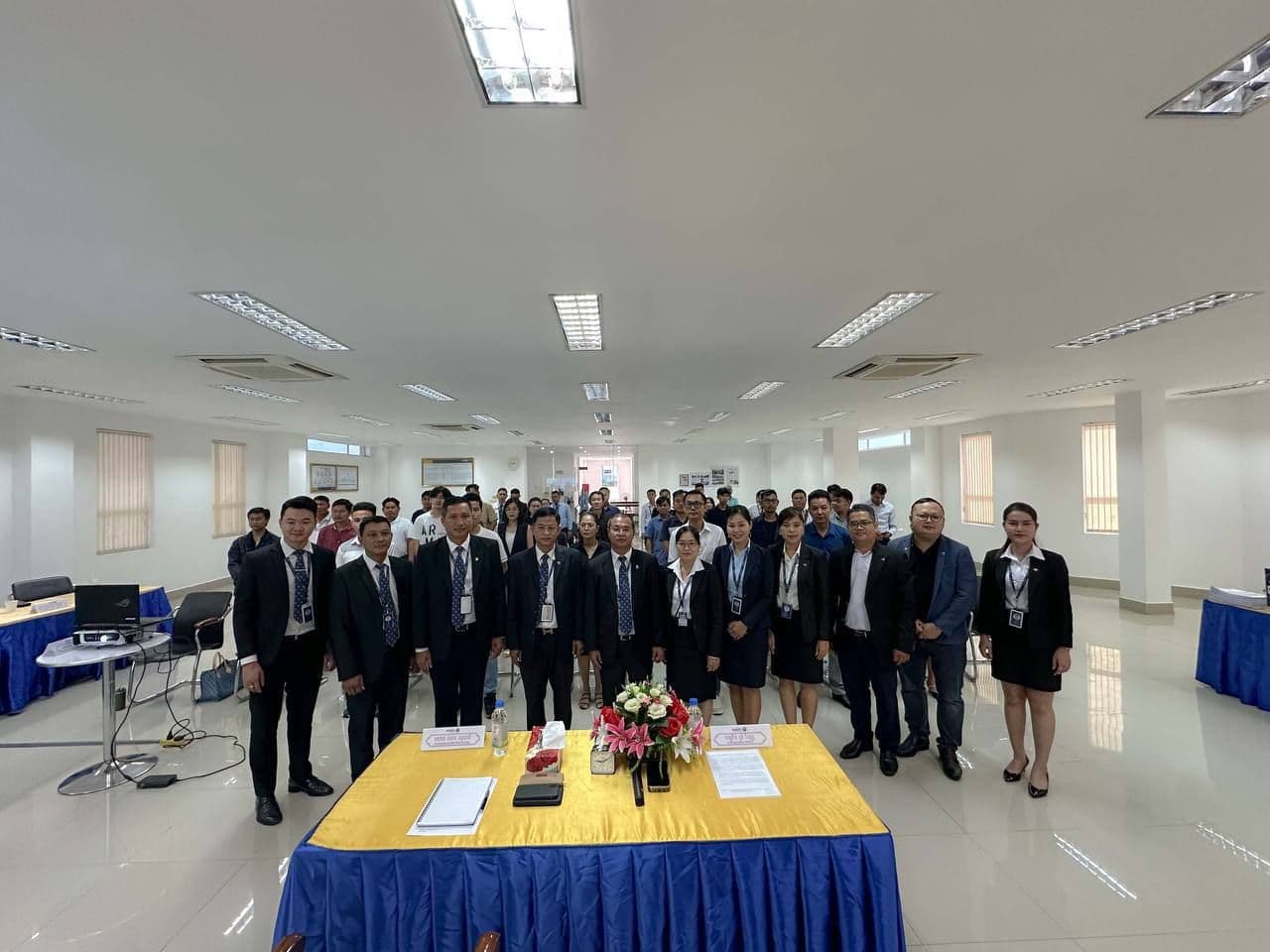
路演回顾:洞察与创新全面呈现
2024 年 12 月 7 日上午,富亚资产管理 ( 柬埔寨 ) 有限公司 与爱喜利达银行 Chamkar Doung 分行携手举办了具有里程碑意义的活动 —— “ 柬埔寨首个基金认购路演 ” 。本次路演旨在向本地投资者重点介绍 “ 富亚亚洲股票基金 (BAEF)” ,展示其作为推动资本增长与促进柬埔寨经济发展的催化力量所具备的巨大潜力。 活动中,专家团队通过精彩的分享向与会者全面讲解了 “ 富亚亚洲股票基金 ” 的战略目标,强调其聚焦区域高成长性行业的投资方向。演讲涵盖基金的投资理念、风险管理策略及预期回报等关键内容,结合柬埔寨市场特性,为与会者带来深入且实用的投资见解。 路演期间,参与者积极与行业专家交流互动,深入了解新兴投资趋势及策略。此次活动不仅突出了基金在推动经济增长方面的潜在作用,也进一步强化了金融机构与资产管理公司在建设稳健投资市场中的重要协作关系。 总体而言,本次路演为本地投资者提供了宝贵的信息资源,帮助他们更好地把握不断发展的金融市场格局。同时, “ 富亚亚洲股票基金 ” 在活动中的亮相,进一步凸显其在推动柬埔寨经济增 长中的关键地位 —— 这只是开始,未来将有更多令人期待的投资机遇陆续展开。

柬埔寨首个基金认购路演
2024 年 11 月 23 日上午,富亚资产管理 ( 柬埔寨 ) 有限公司参与了由爱喜利达证券有限公司主办的 “ 柬埔寨首个基金认购路演 ” 。 在活动中,通过生动的基金介绍与专题分享,我们向广大参与者深入讲解了 富亚亚洲股票基金的核心理念、投资亮点与市场机遇。此次路演不仅有效提升了公众对集体投资计划的了解,也进一步扩大了基金在本地市场的影响力,成为推动柬埔寨金融市场发展的又一重要里程碑。 衷心感谢主办方及所有参与者对本次活动的大力支持,使活动得以圆满成功。

赋能未来投资者:富亚分享集体投资计划基金洞见
2024 年 10 月 30 日上午,富亚资产管理 ( 柬埔寨 ) 有限公司销售与市场执行员 Sok Chantola 先生 在 Preah Sihanouk Raja 佛教大学 开展了以集体投资计划基金为主题的专题分享。该活动属于由爱喜利达证券有限公司主办的 “ 智慧投资 ” 培训课程之一,旨在加深参与者对集体投资计划投资策略的理解。

与柬埔寨证券交易监管机构共同举办的集体投资计划职业道德研讨会
2024 年 10 月 23 日 ( 星期三 ) 上午,柬埔寨证券交易监管机构 于非银行金融服务局大楼举办了主题为 “ 集体投资计划之职业道德 ” 的专题研讨会。本次研讨会面向基金管理公司、托管机构、分销商及受托人等行业参与者。 研讨会由柬埔寨证券交易监管机构副总干事 Vin Pakdey 博士阁下 主持,并代表政府特派员兼柬埔寨证券交易监管机构总干事 Sou Socheat 阁下 出席活动。 本次研讨会旨在帮助基金管理机构及相关企业深入理解职业道德、透明度和责任在集体投资计划业务中的关键作用。同时,研讨会亦强调行业机构需坚持高标准运营,以进一步增强投资者对金融市场的信心。 会议内容涵盖多项重要议题,包括:职业道德如何促进企业的可持续发展、如何确保合规经营、以及良好治理在金融行业中的重要性。这些讨论进一步强化了行业在稳健、透明和负责任框架下发展的必要性。 More Securities and Exchange Regulator of Cambodia

探索联合投资基金机会
柬埔寨证券交易监管机构政府代表兼总干事 Sou Socheat 阁下,率领代表团与富亚资产管理 ( 柬埔寨 ) 有限公司的代表进行会晤。 2024 年 10 月 11 日 ( 星期五 ) 上午, Sou Socheat 阁下及其团队与率领代表团与富亚资产管理 ( 柬埔寨 ) 有限公司的代表就联合投资基金项目进行讨论。会议在高度合作的氛围中顺利开展。 More Securities and Exchange Regulator of Cambodia

路演活动:2024 年柬埔寨首支集体投资计划基金认购启动
2024 年 10 月 10 日上午,富亚资产管理 ( 柬埔寨 ) 有限公司 . (BAMC) 与重要合作伙伴爱喜利达证券有限公司联合隆重举办了 “2024 年柬埔寨首支集体投资计划基金认购路演 ” 活动。本次活动非常荣幸地邀请到柬埔寨证券交易监管机构政府代表兼总干事 Sou Socheat 阁下 亲临指导并担任主礼嘉宾。 此项具有里程碑意义的活动标志着柬埔寨金融行业发展的重要阶段,我们正式向公众推出 富亚亚洲股票基金。活动通过深度讲解和互动讨论,向机构投资者、行业专家以及有意拓展投资机会的个人投资者全面展示了集体投资计划基金的潜力与价值。 路演深入介绍了集体投资计划基金的优势与特色,展示其如何推动更广泛的市场参与,并促进柬埔寨资本市场的持续发展。同时也体现了我们致力于推出创新型金融产品,以满足本地与国际投资者多元化需求的坚定承诺。 此次活动不仅是富亚资产管理有限公司的重要里程碑,也彰显了柬埔寨金融市场的快速扩集体投资计划基金在推动区域经济增长与投资机遇方面日益重要的作用。 我们对所有参与者的支持与出席表示衷心感谢。未来,我们将继续秉持使命,为投资者提供更便捷的投资渠道,并为柬埔寨经济的长远发展贡献力量。
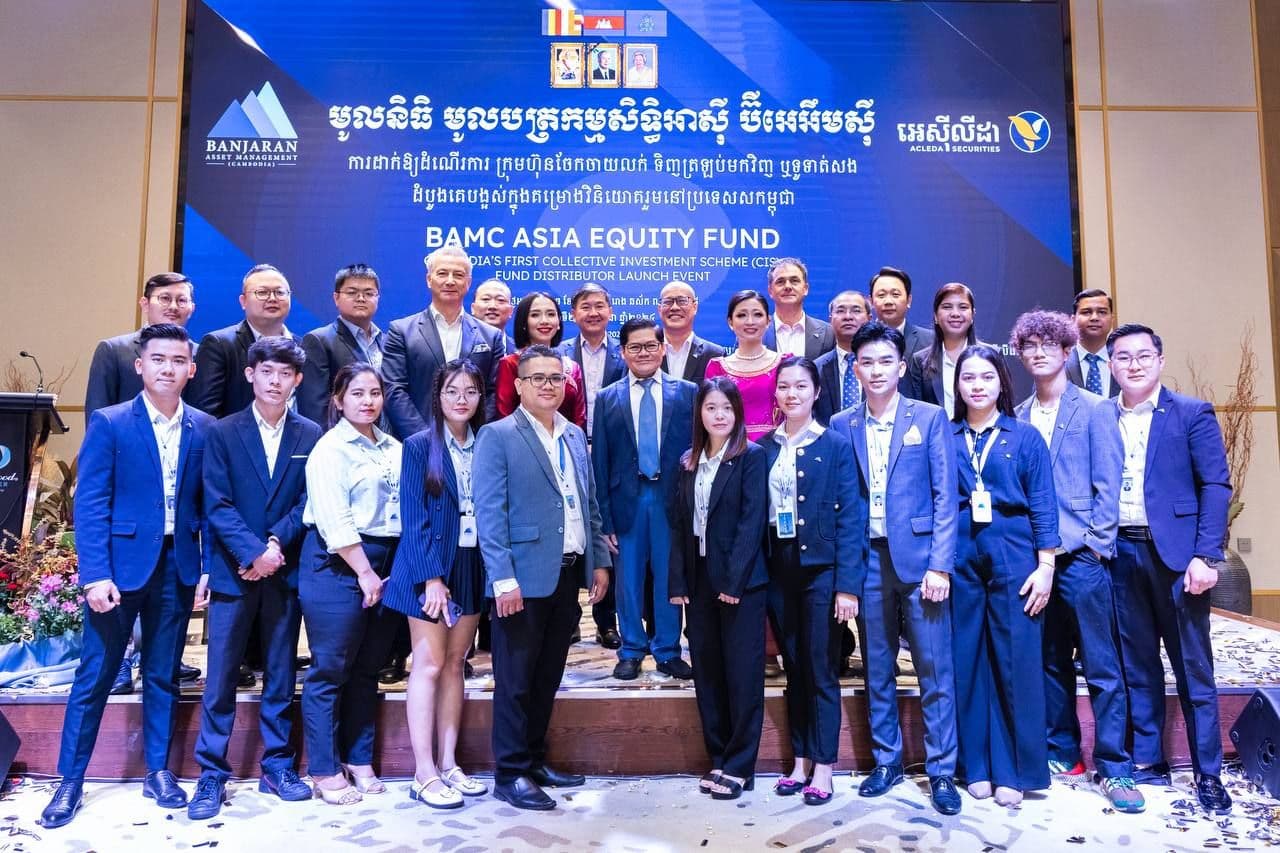
BAMC Asia Equity Fund – Cambodia’s First Fund – Fund Distributor Launch Event
On 23 July 2024, Banjaran Asset Management (Cambodia) PLC. successfully hosted the “BAMC Asia Equity Fund – Cambodia’s First Fund – Fund Distributor Launch Event.” The event marked a significant milestone with the official signing of the Fund Distribution Agreement between Banjaran Asset Management (Cambodia) PLC. and ACLEDA Securities PLC. The ceremony was held under the high presidency of H.E. Sou Socheat , Delegate of the Royal Government in charge as Director General of the Securities and Exchange Regulator of Cambodia (SERC), who was accompanied by associates from the SERC. The launch brought together distinguished guests, regulatory representatives, and valued partners, reflecting strong collaboration and support for the growth of Cambodia’s capital market. This milestone not only represents the introduction of the First Collective Investment Fund in Cambodia but also highlights the commitment of Banjaran AMC and its partners to creating accessible investment opportunities and strengthening the financial sector in this emerging market.

解锁投资新机遇:富亚资产管理有限公司探讨柬埔寨集体投资计划的潜力
柬埔寨金边讯 —— 富亚资产管理私人有限公司 ( 新加坡 ) 首席执行官 Aaron NG 先生出席了主题为 “ 围炉谈 · 集体投资计划业务的机遇、准备程度与未来潜力 ” 的专题讨论会。该活动由柬埔寨证券交易监管机构副总干事 Vin Pheakdey 博士阁下担任主持。 在讨论中, Aaron NG 先生深入分享了集体投资计划 业务如何为本地及国际投资者开拓新机遇,并分析了市场参与者在推动集体投资计划发展的准备程度。他指出,随着柬埔寨资本市场不断发展,集体投资计划 有望成为提升金融服务能力的重要推动力,使投资者能够更便捷地参与区域性投资机会。 此次围炉谈不仅探讨了集体投资计划在柬埔寨的潜力,也强调了业内合作与监管支持在推动该行业可持续发展的关键作用。

政府与富亚资产管理有限公司就新集体投资计划基金展开富有成效的会谈
柬埔寨金边讯 —— 柬埔寨证券交易监管机构总干事 Sou Sochet 阁下 与 富亚资产管理 ( 柬埔寨 ) 有限公司 代表举行了一场重要会议,双方就公司拟设立的新集体投资计划基金的相关事宜及未来发展前景进行了深入讨论。 此次会谈旨在确保新基金的目标方向与现行监管框架保持一致,并严格遵守柬埔寨金融法规的要求。新推出的集体投资计划基金预计将为柬埔寨投资者提供更广泛的投资选择,使其能够接触国际市场,并进一步提升财富增值的机会。 双方在会议中进行了富有建设性的沟通,并对基金未来的发展以及对柬埔寨不断成长的金融服务行业所带来的推动作用表示高度乐观。此次讨论也再次体现了 富亚资产管理有限公司 致力于提供稳健投资方案,并坚持最高标准的治理与透明度的承诺。 此次会议标志着富亚资产管理 (柬埔寨) 有限公司在与柬埔寨证券交易监管机构的紧密合作中迈出了重要一步,为柬埔寨市场带来更多创新性投资机会。 More Securities and Exchange Regulator of Cambodia
市场展望

2026 October Market Outlook: Asia Markets – AI Valuation Concerns and Rising Geopolitical Risks
The direction of US monetary policy remains a key source of uncertainty. Minutes from the September Federal Open Market Committee (“FOMC”) meeting indicated that a further rate increase before year-end remains possible. However, Chair Warsh has declined to commit to a path, identifying the October and December meetings as the key decision points. Ahead of the next FOMC meeting on 27–28 October, the International Monetary Fund has cautioned that uncertainty over US monetary policy could keep Asian financial markets volatile. The recent sell-off has also brought the financing of AI investment into sharper focus. Chair Warsh noted that large technology companies raising funds in the bond market are adding to competition for capital. In our view, investors are likely to place greater scrutiny on the returns these companies generate from their AI spending. Developments in the Middle East remain a key swing factor for oil prices and inflation. Before the conflict began in late February, the Strait of Hormuz carried around one-fifth of global oil supply. Within Asia, the most significant development has been in Indonesia. On 15 October, index provider MSCI Inc. launched a consultation on reclassifying Indonesia from Emerging Market to Standalone Market status, citing insufficient progress on market transparency, concentrated shareholdings and weak enforcement. This contrasts with FTSE Russell, which reaffirmed Indonesia’s emerging market status. The Jakarta Composite Index fell 8.0% following the announcement, which triggered a trading halt. MSCI has also frozen certain index changes for Indonesian securities, including new additions, until further notice. The announcement adds to a difficult year for Indonesia, whose stock market has fallen more than 30% to become the world’s worst performing this year, according to Bloomberg, while Moody’s and Fitch have both revised the sovereign rating outlook to negative. With the consultation open until 30 April 2027, analysts expect foreign outflows to continue. In North Asia, the October sell-off highlighted how exposed South Korea and Taiwan have become to swings in AI sentiment after very strong gains over the past year. The KOSPI and TAIEX rose 86.7% and 80.6% respectively over the past year, and the TAIEX’s price-to-earnings ratio has expanded to 27.9 times from 23.1 times. Singapore again demonstrated its defensive qualities, with the Straits Times Index declining only 0.5% on 15 October, a far smaller fall than its North Asian peers. Overall, investor sentiment has shifted from chasing AI momentum towards greater caution on valuations, funding costs, and geopolitical risk. In this environment, we remain focused on businesses with strong balance sheets, sustainable earnings and pricing power, which we believe are better positioned to navigate persistent inflation and energy price shocks. We continue to apply a disciplined, bottom-up approach to stock selection and to maintain diversification across geographies and themes.

2026 September Market Outlook: Navigating Market Divergence
The Fed maintained a restrictive, data-dependent stance through August and subsequently raised the federal funds target range by 25 basis points to 3.75-4.00% citing persistent inflationary pressures. Updated projections point to the possibility of one further increase in 2026. Elevated long-dated US Treasury yields continue to present a valuation risk particularly for growth, technology and AI-related companies, whose expected cash flows lie further in the future. At the same time, continued corporate earnings delivery and investments in strategic technologies along the tech supply chain have so far helped the global economy absorb tighter financial conditions. Strong earnings guidance from major global technology companies supports the view that investment in data centres, advanced chips and supporting infrastructure remains resilient. Within Asia, performance has diverged meaningfully across countries. Singapore remains the region’s defensible market, with strong banking profitability and wealth management inflows attracting investor interest amid global uncertainty. Taiwan and South Korea’s technology sector continues to be major beneficiaries of surging AI-related demand. On the other hand, confidence towards China’s and Indonesia’s growth outlook remains fragile. China’s slow economic momentum is a result of a weak property market and slow domestic consumption, while Indonesia’s commodity price normalisation and concerns over capital outflows weigh on sentiment. Against this backdrop, maintaining well-diversified exposure across geographies and themes remains important. We continue to be highly selective in stock selection, adhering to a disciplined, bottom-up approach to portfolio construction that prioritises quality and resilience to macroeconomic uncertainty.

2026 August Market Outlook: Navigating Volatility
Concerns around the durability of AI-related capital expenditure and intensifying competition triggered a sharp sector sell-off after a mid-July peak. Investor sentiment turned more discerning on the back of earnings season, and questions arose regarding how sustainable the AI investment pace is without eating into cash generation. Capital rotated out of semiconductors and into energy, financials and value stocks, shifting to markets and names seen as less exposed to a single-theme correction. Layered on top was renewed Middle East escalation and its effect on rates expectations. Brent crude spiked back above $100/barrel intermittently after the US reinstated a naval blockade on Iran and announced plans to impose a levy on cargo transiting Hormuz, although the levy was never implemented. This revived inflation concerns and caused markets to price a reduced likelihood of further Fed easing. Elevated US bond yields further weighed on stocks. Looking ahead, renewed conflict or another AI-related pullback could swiftly unwind recent sentiment gains and force a repricing of both rates and earnings expectations. Against this backdrop, we continue to favour a diversified, bottom-up approach that balances exposure to structural AI and technology themes with quality, less crowded names to weather through volatility.

2026 July Market Outlook: Navigating Crosscurrents
Central banks broadly maintained a data-dependent stance through the period and remained watchful even as global energy-driven inflation eased. The Federal Reserve reaffirmed its commitment to price stability even as growth prospects softened, while the European Central Bank similarly balanced improving headline inflation against still-elevated services prices. Closer to home, the Monetary Authority of Singapore raised its 2026 core inflation forecast on concerns that persistent price pressures could dampen household spending. The Hormuz disruption has driven inflation fears that outweigh traditional safe-haven demand. Gold and silver have moved in an unusual, counterintuitive pattern, falling rather than rallying as fighting escalated. In equities, investor sentiment shifted markedly as the AI-led rally that dominated the first half of the year gave way to a bout of volatility, prompting some rotation into value and cyclicals. Asian equities showed sharp dispersion rather than uniform resilience. In July 2026, Hong Kong’s Hang Seng emerged as the standout performer on continued strength in Chinese technology and AI names, while South Korea’s Kospi and Japan’s Nikkei slipped from June’s rebound as the memory-chip optimism and AI trade cooled. Looking ahead, markets remain caught between two competing narratives, a genuine easing of geopolitical and energy-driven inflation pressure, against the risk of renewed hostilities or a resurgence in AI-related volatility, which could quickly reverse recent gains in sentiment and reprice rate expectations. Against this backdrop, we continue to favour a diversified, bottom-up approach that balances exposure to structural AI and technology themes with quality, less crowded names to weather through volatility.

2026 June Market Outlook: From AI-Led Momentum to Persistent Uncertainty—A Disciplined Path Forward
Stronger than expected inflation in the US led newly installed Fed Chair Kevin Warsh to reinforce expectations that any rate cut is more likely in late 2026 or into 2027. Despite this hawkish view, US equities pushed to fresh highs, led by technology stocks. This period also saw Space Exploration Technologies Corp.’s (“SpaceX”) record-setting initial public offering, becoming a focal point for risk appetite and growth sentiment, which further amplified market enthusiasm. In the near term, the success of the SpaceX listing is likely to add further liquidity into space, artificial intelligence (“AI”) infrastructure and adjacent sectors. Investor sentiment remains heavily concentrated in AI-related and technology names, and some investors view the Asian market as a way to increase exposure at more attractive valuations than US technology leaders. Strong momentum in Asia is led by Korea, Taiwan and Japan, which play a central role in the AI and memory chip supply chain. On the other hand, China continues to lag even with incremental policy support. In other key markets, UK equities underperformed their peers, and Eurozone technology stocks performed moderately amid weak macroeconomic data, where the pullback in oil prices eased some inflationary pressure. Markets remain highly sensitive to developments in the Strait of Hormuz, where disruptions and the current partial normalisation of shipping through the strait weigh on energy prices and inflation expectations. Against this backdrop, maintaining well-diversified exposure across geographies and themes remains important. We continue to be highly selective in stock selection, adhering to a disciplined, bottom-up approach to portfolio construction that prioritises quality and resilience to macroeconomic uncertainty.

2026 May Market Outlook: From Record Highs to Rising Uncertainty—A Selective Path Forward
Major indices have reached new highs since the March dip. Strong corporate earnings have reinforced investor confidence and sustained the ongoing risk-on rotation into AI-related stocks. The technology sector now represents a larger share on the MSCI Emerging Markets Index than the S&P 500, underscoring the central role of Taiwan and South Korea in the AI supply chain. With inflation still elevated and growth looking uneven across regions, central banks are balancing financial stability and energy-driven price pressures. Expectations for rate cuts have been pushed out or replaced by further tightening of monetary policy. The new Federal Reserve Chair, Kevin Warsh, known to favour rate cuts, faces inflationary pressures in the US economy that work against the dovish narrative, making rate cuts unlikely. Other central banks, such as the Bank of Japan and the European Central Bank have kept its policy unchanged, but with upward revisions to inflation forecasts, investors expect rate hikes this year. Though markets have appeared resilient to geopolitical shocks, the continuation of the Strait of Hormuz blockage can dampen economic activity through supply chain disruption and entrenching inflationary pressures. Against this backdrop, maintaining well-diversified exposure across geographies and themes remains important. We continue to be highly selective in stock selection, adhering to a disciplined, bottom-up approach to portfolio construction that prioritises quality and resilience to macro uncertainty.